






The core power of this card family lies in its ability to search and thin out a crazy deck from Cynet Codec, allowing you to both chain long combos and stockpile a large number of Hand Traps (such as Droll & Lock Bird or Effect Veiler) in your hand. From establishing an impregnable Turn 1 board (targeting ban, effect immunity, and comprehensive nullification traps) to the ultimate sweeping trades when playing defensively, Code Talke is undoubtedly the perfect foundation for those games that love the art of resource management.

Sections covered in this guide:
Skill
Cynet Extended (Skill Card) (100%)


By viewing Cynet Codec or a Cyberse Level 3 monster or lower, you can cook one extra card into your deck to get straight two core component pieces (such as Cynet Mining and Cyberse Gadget). If the card in hand is already perfect, you can flexibly change the target to search for Trap cards. This mechanic ensures that with just one starter card, you always "self-sustain" enough resources to fully dance through the combo deck without fear of being bricked. The scariest part of Reanimation lies in its ability to break the board when going back. It allows you to directly place a Code Talker monster (usually Powercode Talker or Decode Talker) from the Extra Deck onto the field, while also "hacking" another Cynet Crosswipe from outside directly into your hand. You can exploit this mechanic like a mental hack trap Opp: use the Code Talker itself to call out for free as bait to force the opponent to release effects (negate), or use it as a sacrifice material for Crosswipe to fire off a tired card of the enemy. This sweep tactic helps you safely clear all obstacles before actually playing a Normal Summon turn to start the combo.
The monsters in the main deck
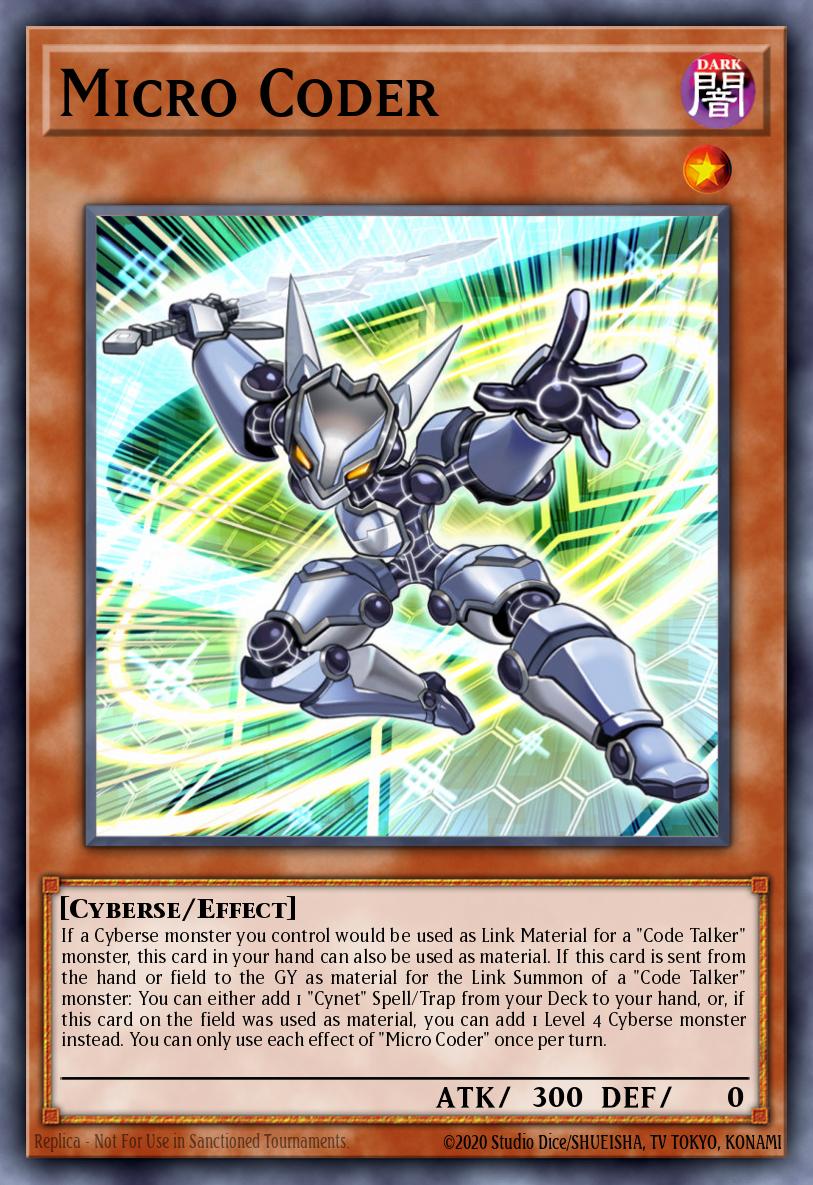
Micro Coder (x1-3)

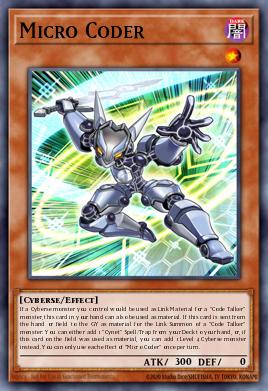
Considered the heart of every combo chain,Micro Coder breaks the usual Normal Summoning rule by allowing you to use it as material while still in hand. This saves you the maximum number of Normal Summons, creating surprise and maintaining the pacing of the duel without fear of the opponent cutting your tempo early.
Its greatest practical value lies in its perfect "Chain Block" ability. When sent to the Graveyard as material for a Code Talker, Micro Coder will search for the Counter TrapCynet Conflict.
When playing, one should place the effect of Micro Coder at Chain Link 1 and Cynet Codec at Chain Link 2. This action "hides" Micro Coder's trap-searching effect below, preventing opponents from using negates to block your plays
Code Generator and Dotscaper (twice per leaf)
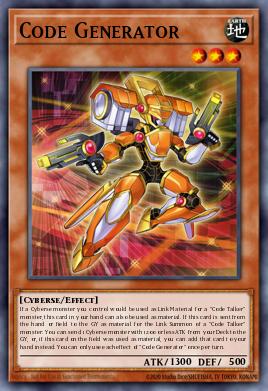
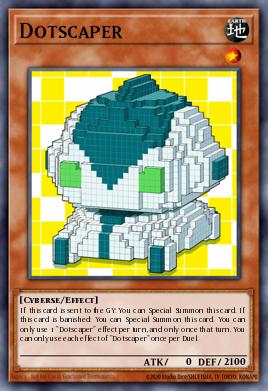
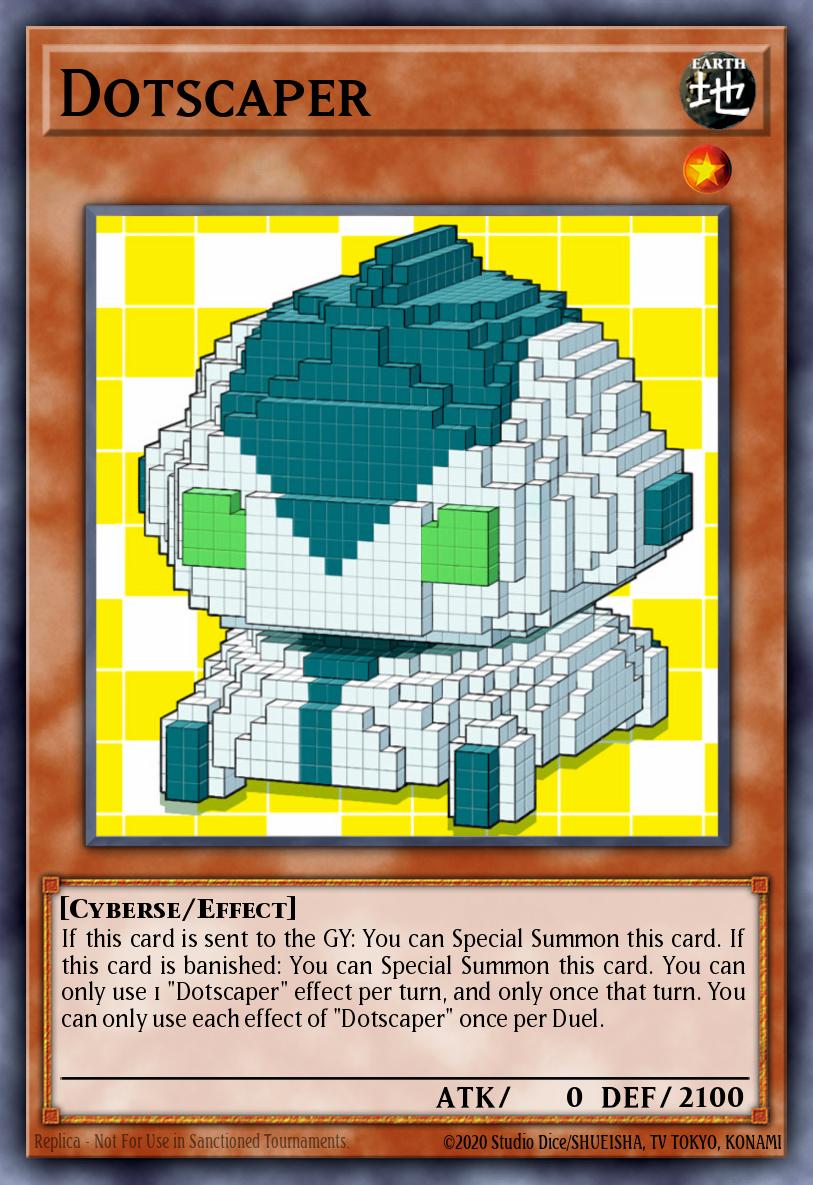
Similarly Micro Coder, Code Generator can also serve as direct Link material from hand. However, its objective is always "sending cards" from deck to Graveyard, and the top priority is always Dotscaper. As soon as it touches the Graveyard, Dotscaper immediately jumps back onto the field, providing an additional free body to continue building your Link, or serving as a sacrifice for the spell card Cynet Crosswipe to clear the opponent's board.
Especially, Dotscaper can also bait very well right at the start of the turn. You can discard Dotscaper as material to activate Cynet Mining, bringing it to life, then send it out to lure the opponent to release nullification effects (such as Droplet, Veiler or Effect negates). When the opponent has spent resources to counter a small monster, that is when your mainstay Code Talker finally comes into play.
Firewall Defenser and Firewall Phantom (Once per card)
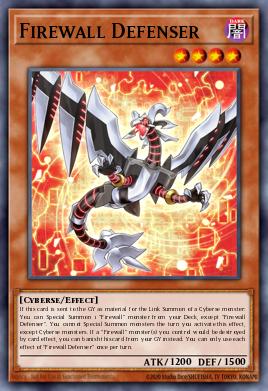
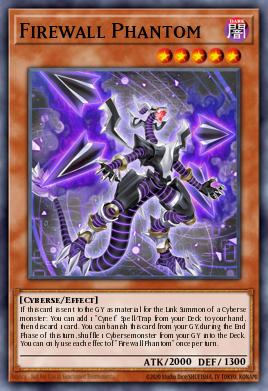
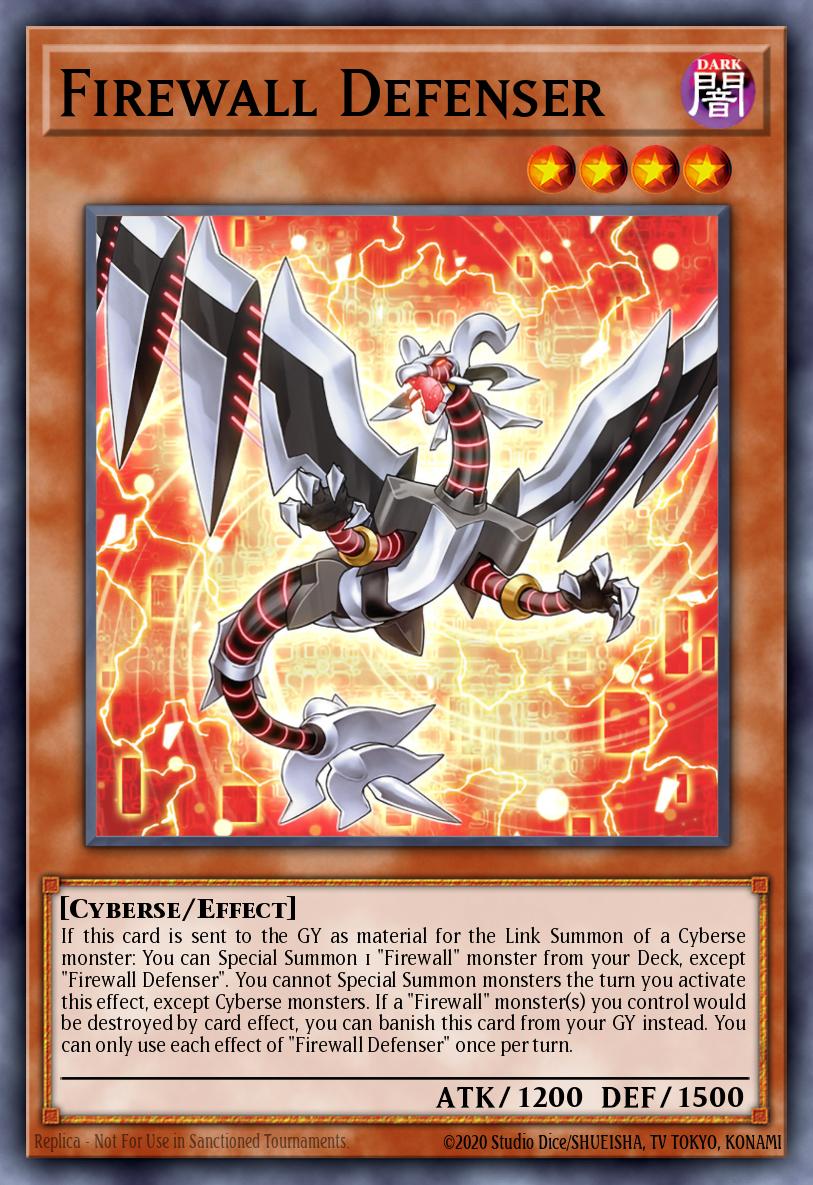
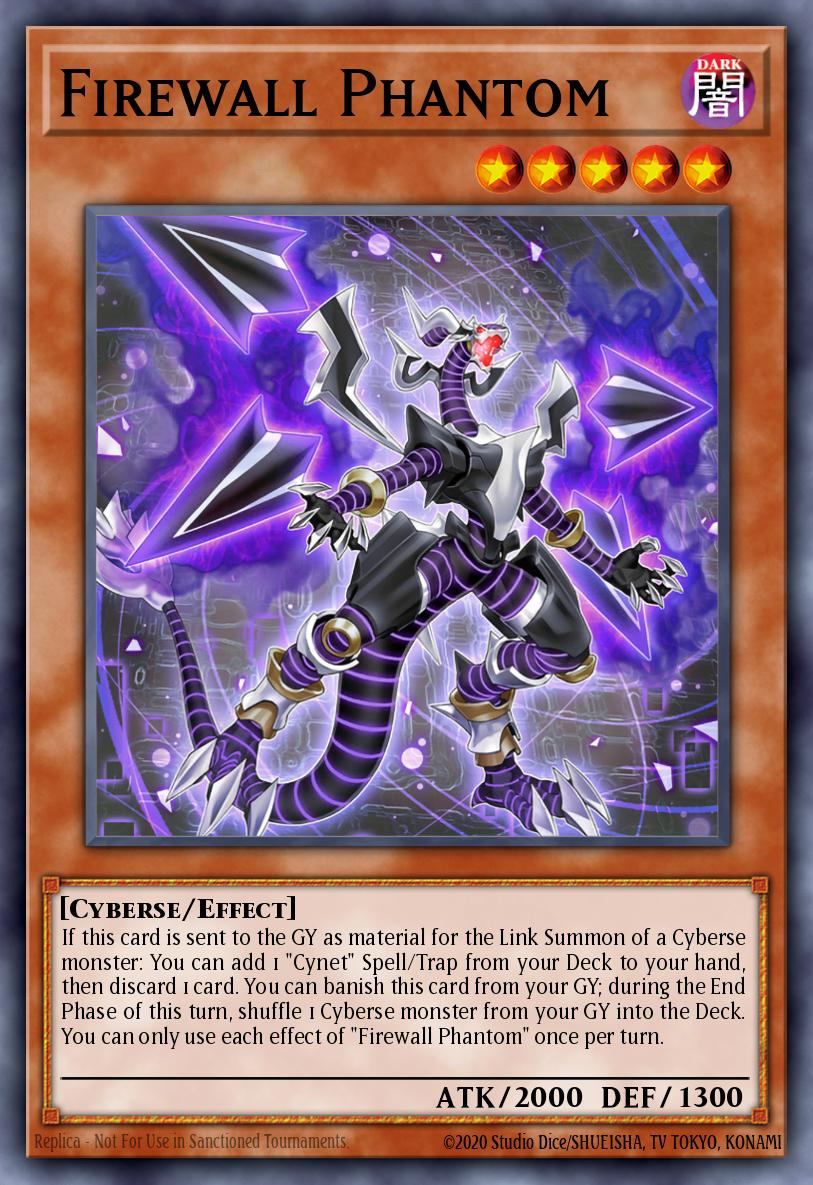
This is the pair that creates the 1card combo chain of the deck. Everything starts with Normal Summoning Defender and then transforming it into Link-1 Balelynx. The effects under the Graveyard of Defender immediately pull Phantom directly from the deck onto the field. By intertwining the effects (Chain Link 1 Defender, Chain Link 2 Balelynx), you protect the summoning turn absolutely from any interference by the opponent.
When Phantom continues to be used as link material, it takes on the role of searching for defensive Cynet Trap cards (such as Cynet Refreshing) and forcing you to discard one card. It doesn't stop there; the corpse of Defender lying in the Graveyard is not useless at all; it serves as an invisible shield, ready to self-exile itself to protect the boss Firewall Dragon on the field from any destruction attempts through the opponent's effects.
Swap Cleric and Cyberse Gadget (x1-2)



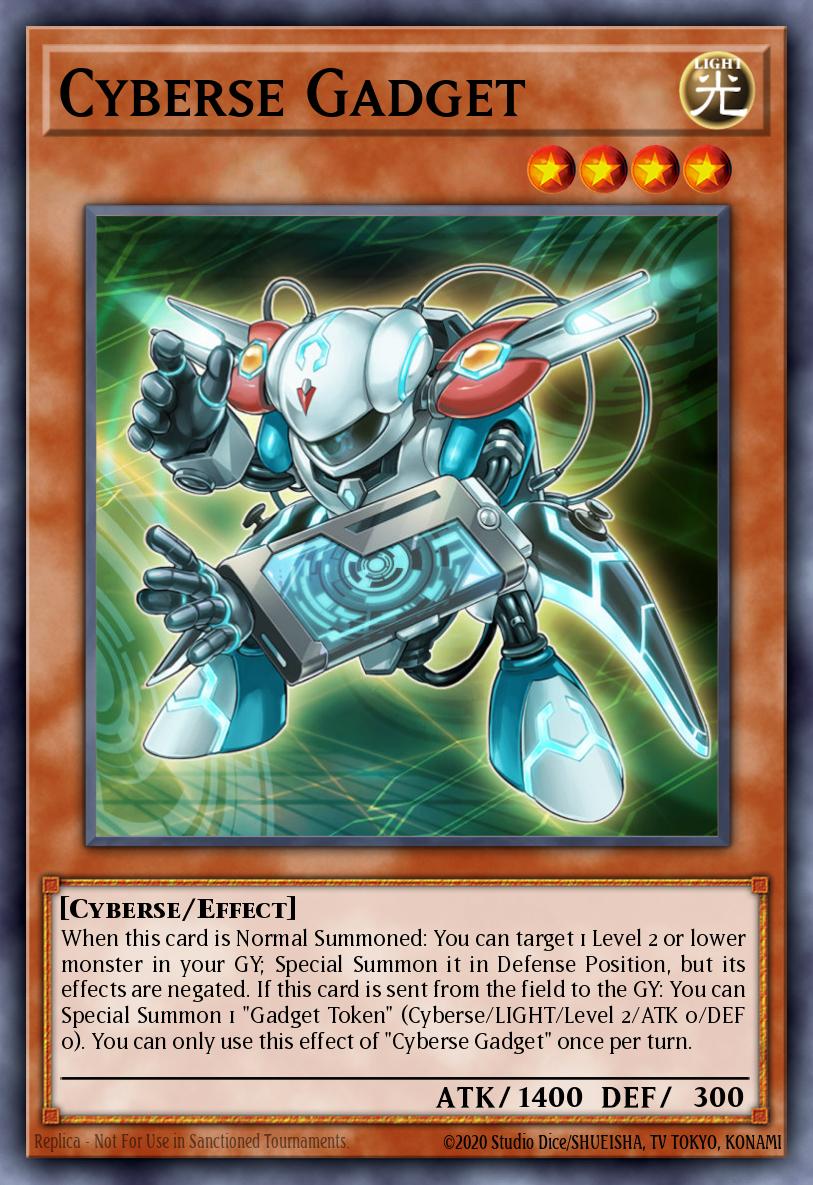
While the Code Talkers are busy setting up the field, this pair is responsible for optimizing card advantage.Cyberse Gadget brings the ability to recall a low-level monster from the Graveyard (such as Micro Coder) as material, then leaves a free Token when sent to the Graveyard. This versatility makes it a top priority that gets drawn straight to your hand through the skill to smooth out combos.
Combined with Swap Cleric, the deck suddenly becomes an endless drawing machine. When Swap Cleric is used as Link material, it allows you to draw immediately one card. The combination of Cleric's drawing ability and the boss Decode Talker Heatsoul is why we can continuously draw hand traps like Droll & Lock Bird on Turn 1.
Backup Operator, Firewall Guardian and Armored Bitron (The choice cards)
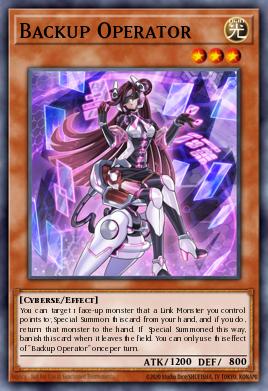



If you are an f2p player and do not have a complete team, you can take x1-level cards below to fill into your deck. Of course the effectiveness will not reach max ping but they can still coordinate with the deck.
Lady Debug (x0-1)
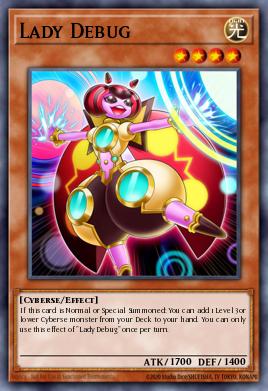
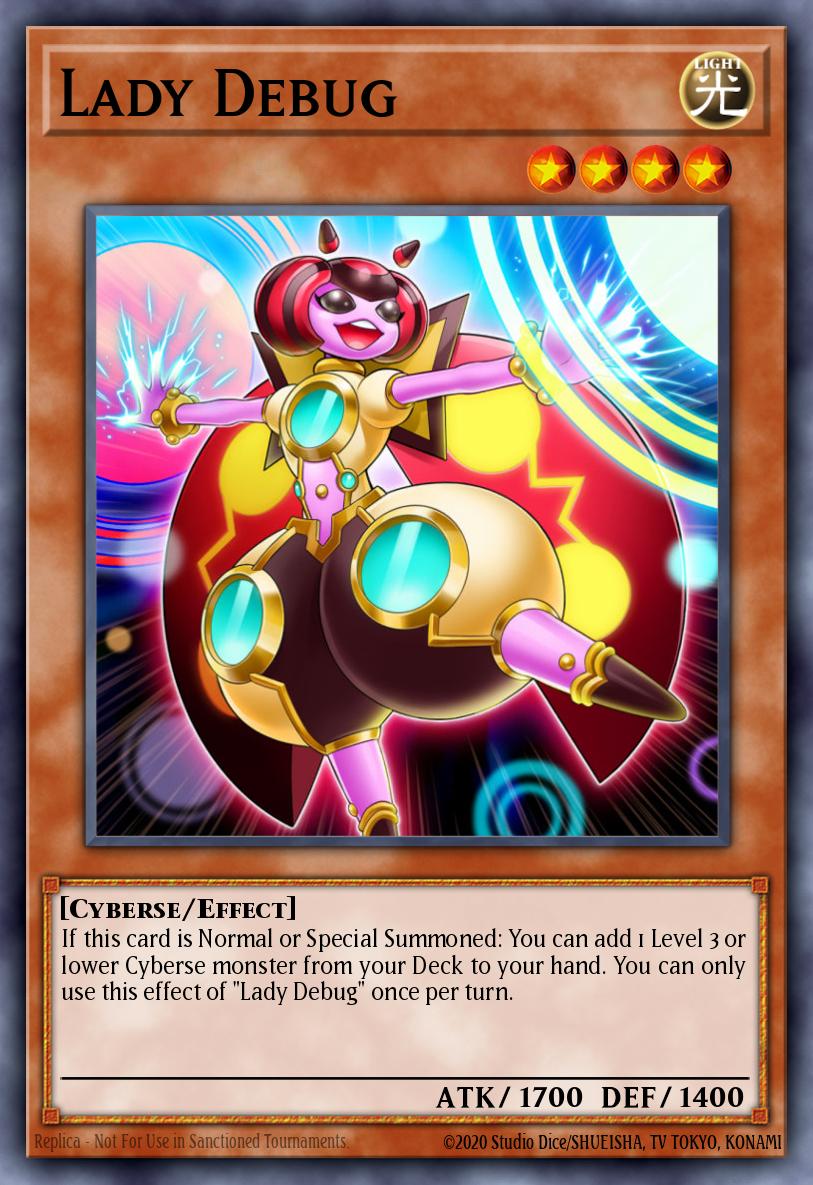
Lady Debug has received very mixed evaluations. Many people outright discard her from their deck because they believe this card only fits with the strategy of using boss Code Talker. For me, the current combo framework already has Firewall Defender which is too strong and smooth, making Lady Debug redundant, stepping on the Triumph Summoning turn and not really necessary. However, many others decide to keep one copy of Lady Debug to increase stability. During actual combat, when called by Triumph Summoning, she serves as a pathfinder by directly searching straight Code Generator into hand. Right after that, Lady Debug will be used as material to become Link Disciple, creating a perfect stepping stone to continue supporting high-level Code Talkers and baiting Code Generator to trigger its direct effect from hand.
Cyberse Converter and Backup Secretary (x0-1)

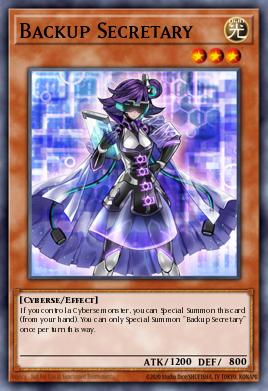
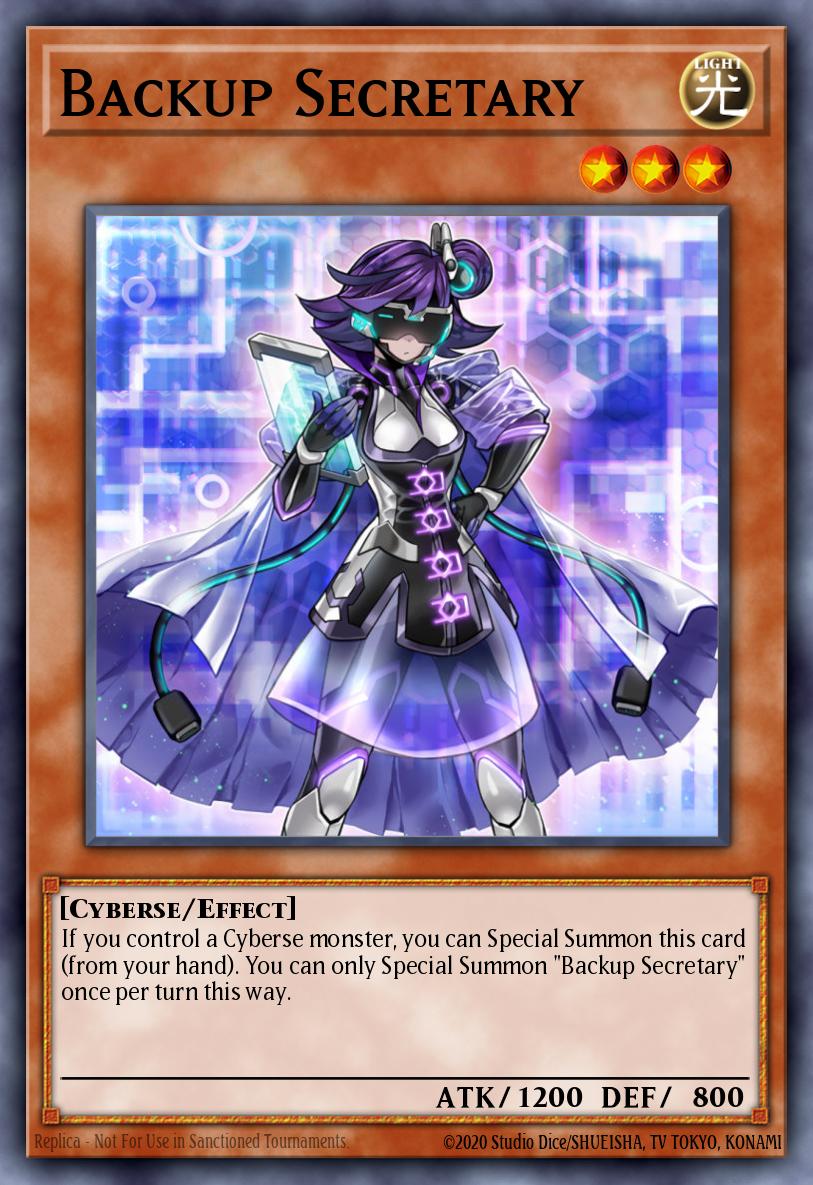
These two monsters are flexible choices that can replace each other or be played alongside Dotscaper. Their main value is being Level 3 or lower in the Cyberse system, perfectly meeting the conditions for activating the Battlefield Skill. In actual combat, they function as free extenders. Thanks to their ability to directly move from hand to field when paired with Cyberse monsters, they provide additional bodies to support Link chains. We can adjust the ratio (for example, play 1 Dotscaper and 2 Backup Secretary) to ensure there are always enough low-level Cyberse monsters available as costs for Cynet Crosswipe, thereby increasing board pressure against the opponent without breaking the main combo chain. But I admit they are just "sidekicks" and not part of the core combo line, yet their presence on hand remains an excellent resource drain to draw enemy resources.
Degrade Buster (X1)

Unlike low-tier Cyberse pieces designed for Link support on Turn 1, Degrade Buster is a heavyweight hidden weapon dedicated to match-stealing phases or instant game-ending plays. This monster is typically sought through combo chains when you summon Powercode Talker combined with Cynet Codec. Thanks to the Special Summoning condition that makes it easy by banishing Cyberse monsters from the Graveyard, it can involuntarily jump onto the field without wasting your valuable Normal Summoning turn. The greatest strategic value of Degrade Buster lies in its ability to "force" opponents to discard protective resources. When facing a tightly locked duel or a giant monster from the opponent, one will directly throw Degrade Buster onto the field. The opponent must immediately cast negate effects or flip cards to cope right away. Once Degenge Buster has completed its mission as a "decoy" to draw out the most dangerous threats, the path will open up to safely lay out your Code Talkers straight into the Battle Phase and steal all of the opponent's Root Points. Additionally, its presence on the field creates flexible bodies to coordinate bouncing (bounce) cards together with Firewall Dragon, turning it into a versatile sweeping machine perfect for mid-game and late-game stages.
Spell/Trap
\n\t
Cynet Codec (x2)
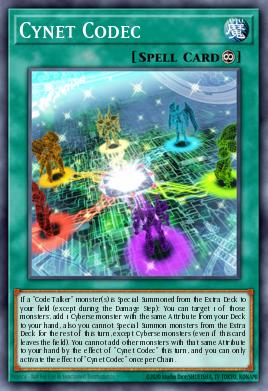
Cynet Crosswipe (x0-1)

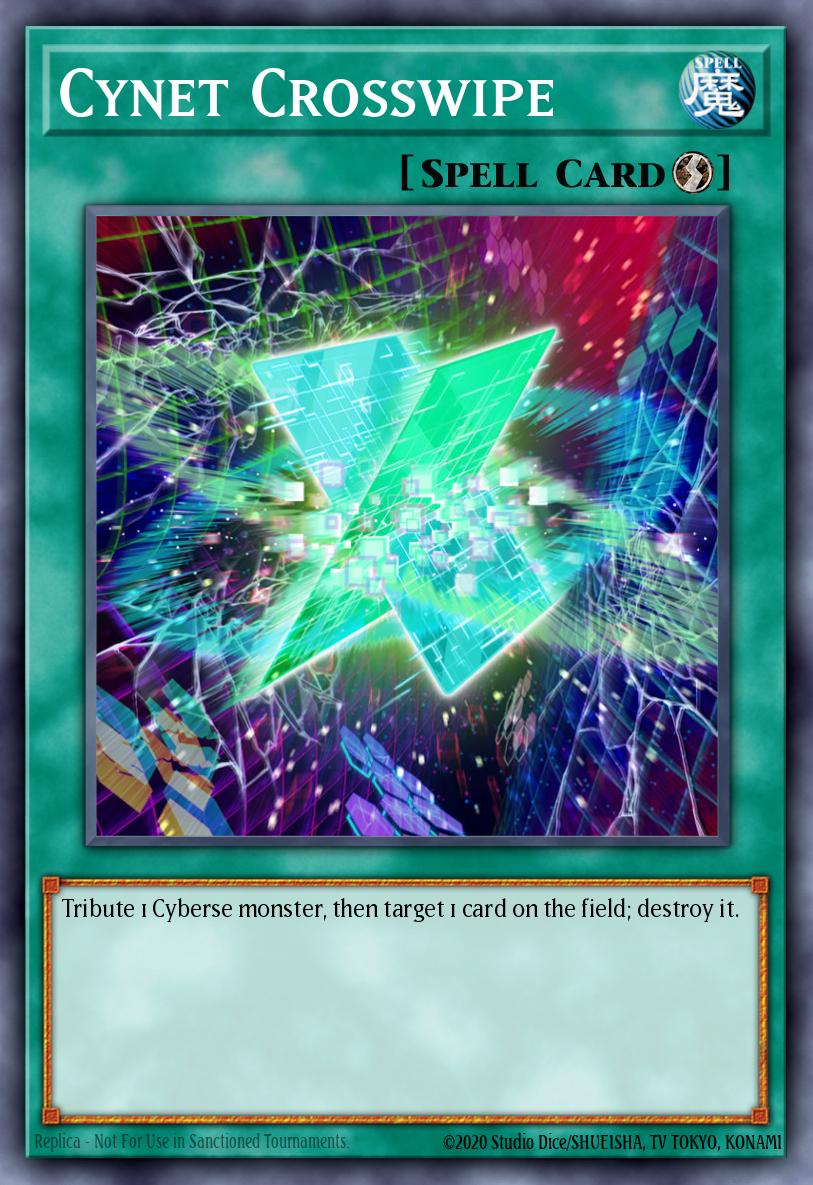
This Fast Card rarely appears ready in the deck and is usually "hacked" directly from outside into your hand through the After Effect Skill, or can be found using Code Generator for firefighting. By sacrificing a Cyberse monster, you can explode any card on the field, creating extremely proactive cleanup phases.
The best usage of Crosswipe is to "dodge" enemy targeted effects. It is also extremely useful when using "bird-like" monsters such as Dotscaper as sacrifice cost to force the opponent to reveal their hand.
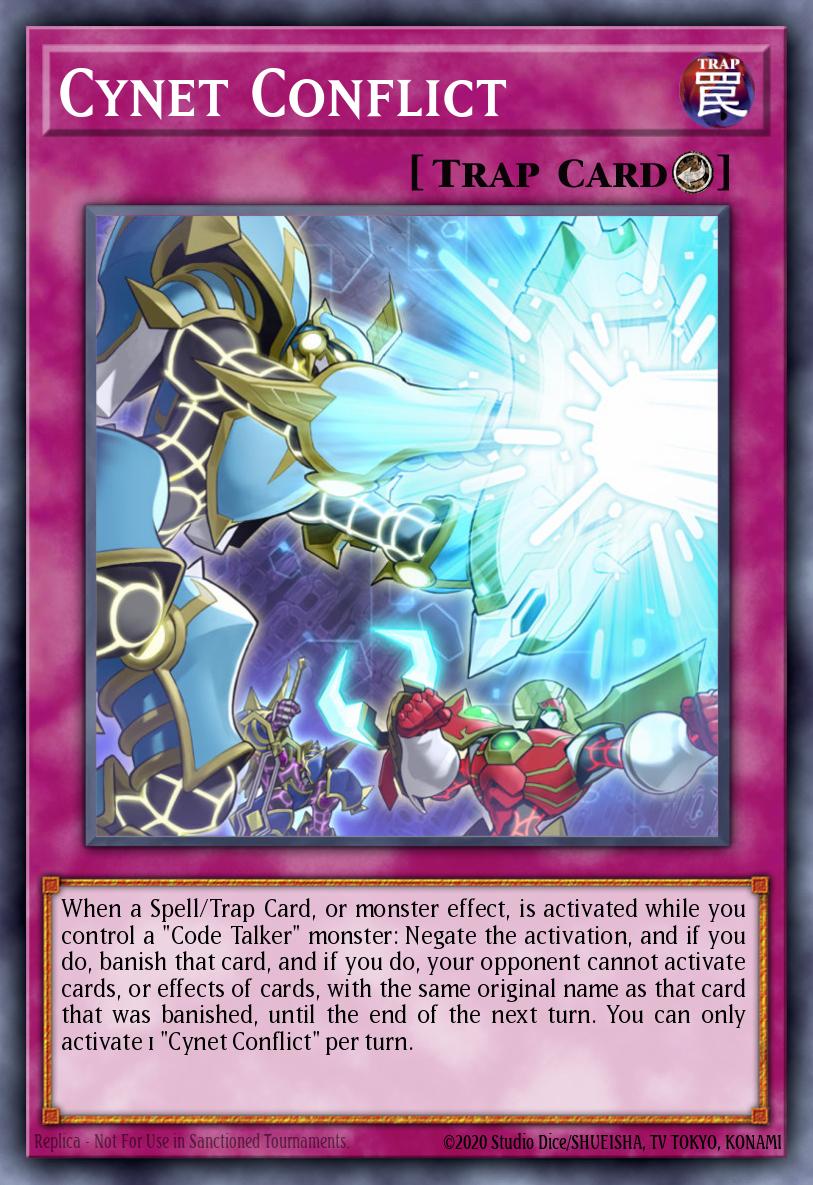
Cynet Conflict (x1)
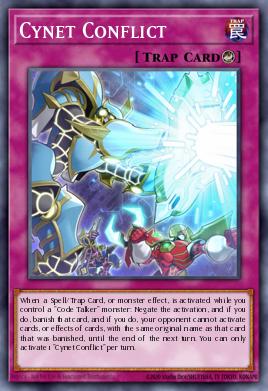
Considered the safest lock of the deck, this Counter Trap card is almost always sought on turn 1 through the effect of Micro Coder. The presence of Conflict on the battlefield creates immense invisible pressure, because the opponent knows for certain that you're playing an omni-negate.
Conflict's life points aren't just about nullifying the opponent's cards; it also banishes them permanently, preventing the opponent from activating any copies of the same name until the end of the next turn.
In duels with Branded or Vaalmonica, casting Conflict at the right moment into starter cards (such as Branded Fusion or Pendulum Scale) immediately completely shatters the enemy's hope of revival, forcing them to surrender.
Cynet Refresh (x1)

This Trap Card is not typically used to fill the next turn, but its ideal purpose is to lie dormant under the Graveyard (often discarded by the effect of Firewall Phantom or used as a cost for Cynet Mining).
When under the Graveyard, Refreshing serves as the ultimate armor. As soon as the opponent activates monster effects, you can banish this Trap Card from the Graveyard to transform all your Link Cyberse monsters into the state that cannot be affected by card effects until the end of the turn.
Outplay
hay các nỗ lực dọn bàn bằng quái thú của đối thủ, giữ cho dàn boss Code Talker đứng sừng sững không một vết xước. Ở trên sân, nó còn đóng vai trò dự phòng để hồi sinh lại hòng duy trì áp lực đẩy bài liên tục.
Cynet Mining (x1-2)
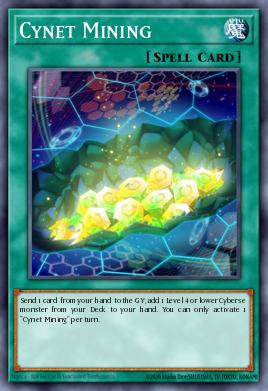
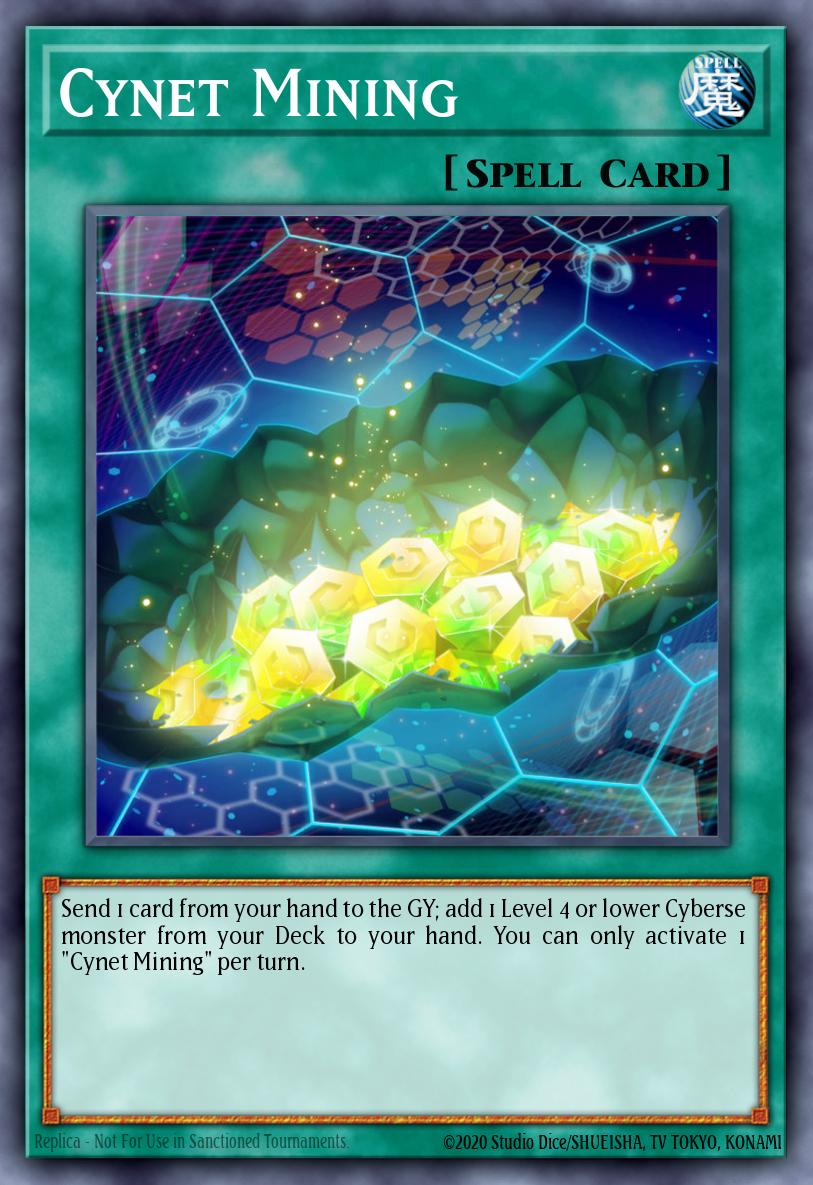
Usually drawn directly from hand starting on Turn 1 thanks to the card draw effect of the skill, Mining is the perfect starter spell that helps you search for any low-level Cyberse monsters (usually Code Generator or Micro Coder).
The cost of discarding one card from Mining in this deck has never been a waste. Actively using Mining to discard Dotscaper (which immediately revives this monster and spawns an additional body on the field), or throwing the trap card Cynet Refreshing down to the Graveyard. In this way, Mining not only starts the combo but also simultaneously sets up a defensive system from under the Graveyard, a two-hit critical strike that is extremely effective.
Cynet Circuit and Cynet Optimization (x0)


I do not recommend playing these two cards. With the current framework, the skill of the deck together with the spell card Cynet Codec has exceeded the resource rotation task. In addition, maximizing the usage of monsters such as Micro Coder or Code Generator to create direct Link material from hand has completely resolved the problem of "resource hunger" on the field. This makes the effect of providing an extra Normal Summon turn of Cynet Optimization become redundant and no longer necessary to maintain the combo chain. Instead of stuffing Cynet Circuit or Optimization - cards that lean toward "win then win more" but are very easy to cause brick - if drawn on Turn 1, one should cut slots without hesitation. All that empty space is made available for heavy Hand Traps like D roll & Lock Bird, Effect Veiler, or absolute lock-and-up cards like Cynet Conflict and Cynet Refreshing. This makes the effect of providing an extra Normal Summon turn of Cynet Optimization become redundant and no longer necessary to maintain the combo chain.
Extra Deck
Transcode Talker (x1)
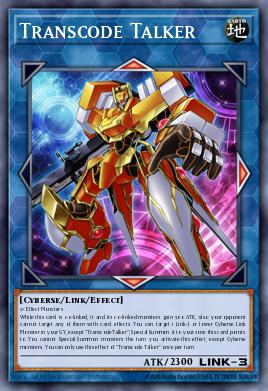
This is an indispensable bridge in every combo.Transcode Talker operates as a free resurrection machine, pulling lower-tier Link monsters (such as Code Talker or Splash Mage) from the Graveyard to create new bodies. Thanks to that, you can easily reach Link-4 milestones like Firewall Dragon without spending additional resources on hand.
The scariest aspect of Transcode Talker on the endboard is the co-linked effect. When its arrow points to another monster (like Firewall Dragon), the entire group of those monsters will gain 500 attack power and most importantly cannot be targeted by opponent effects. This shield nullifies opponent's targeting spells for field removal cards, making your troops extremely solid.
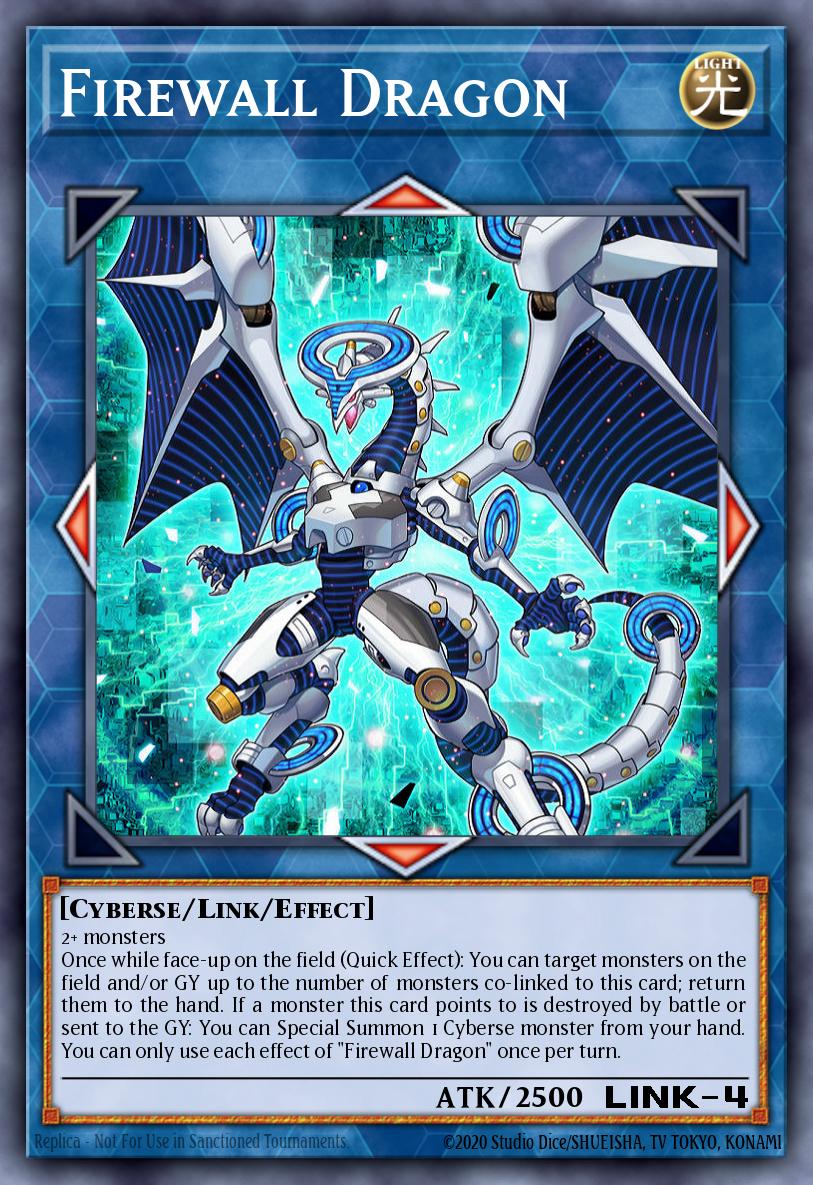
Firewall Dragon (x1)
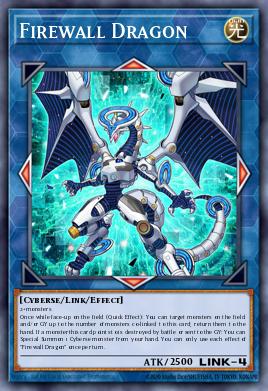
Considered the iconic boss monster and most crucial linchpin of the archetype. Firewall Dragon has the ability to "bounce" cards on the field or in the GY back to the hand, disrupting the opponent's starters.
Alongside its proactive strength, Firewall Dragon is also a nearly immortal fortress thanks to support from the back line. While it is on the field, it is protected from all destruction effects by Firewall Defenser in the GY. We can even use Firewall Dragon itself as the perfect bait: when the opponent uses targeting, we can sacrifice it to the card Cynet Crosswipe to dodge the effect, deprive the opponent of their target, and then easily revive the boss monster intact with the trap Cynet Refreshing.
Decode Talker Heatsoul (x1)
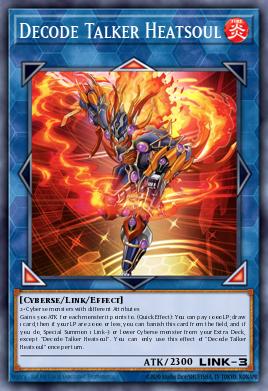
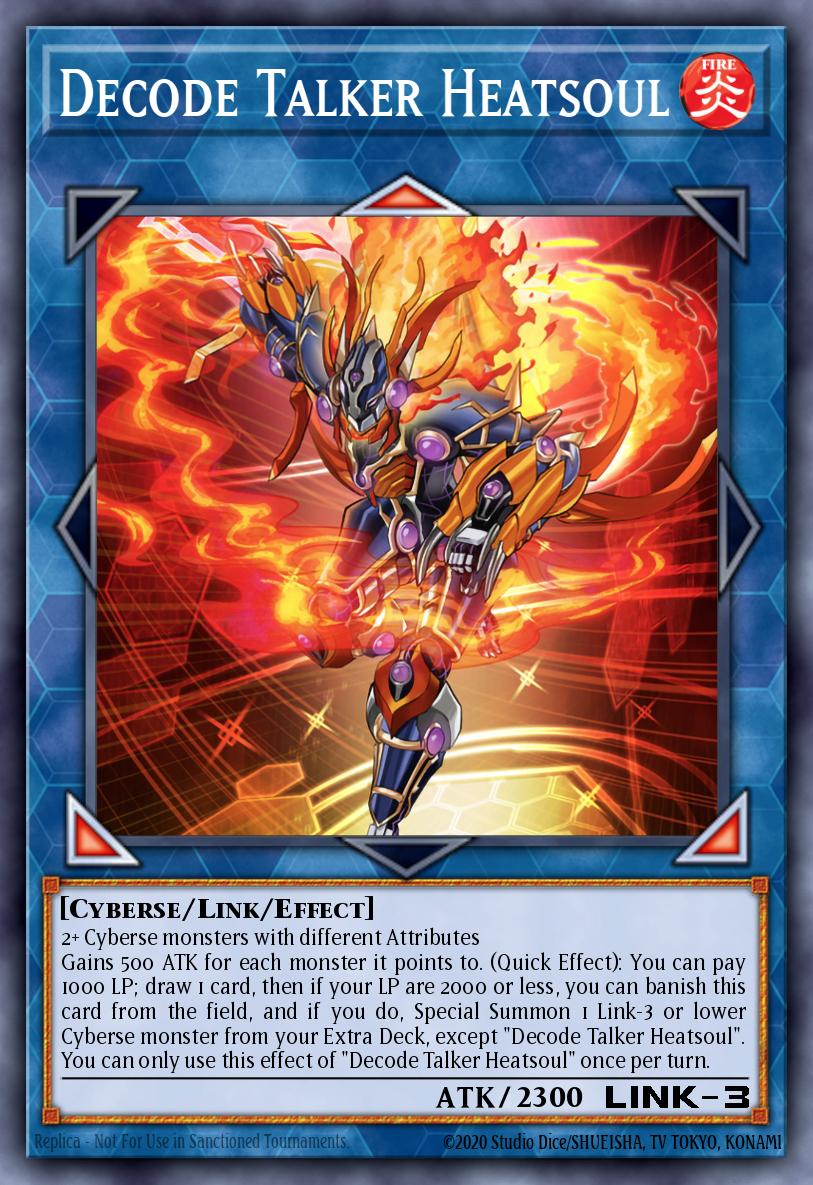
By paying 1000 Original Points, it allows you to draw 1 card immediately on your turn and add 1 more card during the Draw Phase of your opponent. The "deck digging" ability with this lightning-fast speed combined with Cynet Codec turns Code Talker into a sticky deck-building system within just a few turns.
The continuous "hard draws" by Droll & Lock Bird or Effect Veiler right after setting up the battlefield drive your opponent into despair, because they not only have to struggle through your steel Link bosses, but also have their card search abilities locked tight from the deck
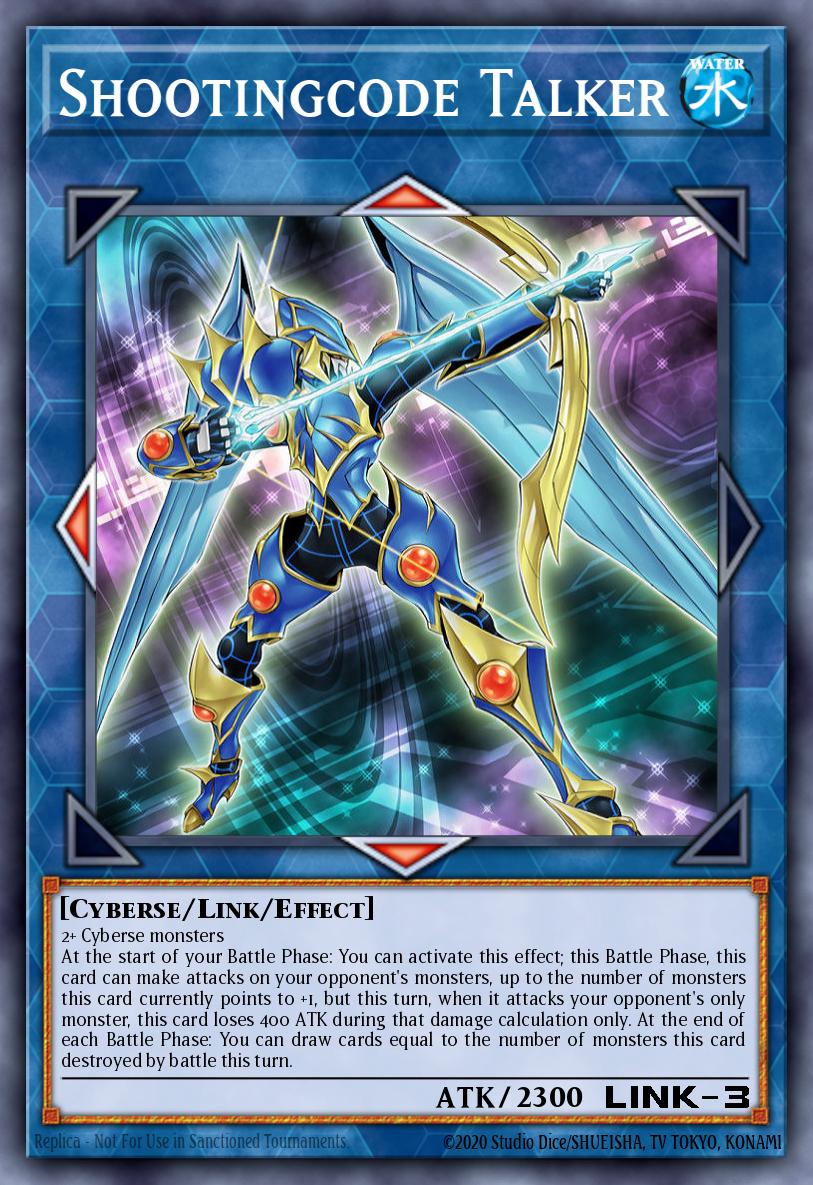
Powercode Talker and Shootingcode Talker (x1)
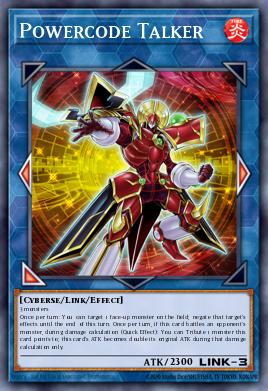
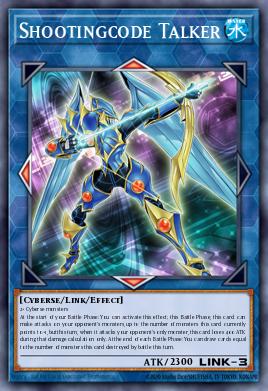
The appearance of this pair marks the extremely strong comeback ability of the deck at Turn 2 or Turn 3. Shootingcode Talker can be favorably used instead of Firewall Dragon in some specific situations because of its bulk draw effect and overwhelming interaction, providing huge resource support to continue maintaining pressure on the opponent.
Meanwhile, Powercode Talker is the "free product" called directly from the Extra Deck to the field thanks to the Skill Effect without spending any resources. When appearing, it serves as a negate effect for enemy monster effects or becomes a sacrifice to allow Cynet Crosswipe to detonate trap cards that flip early. This mobility turns them into devastating spear-like attacks against the opponent's defense line in an extremely safe manner.
Splash Mage and Link Disciple (x1)


Although not flashy bosses, these are essential path tiles that must be present so that combo chains do not break. Plash Mage has the duty of pulling back a low-level Cyberse monster from the Graveyard (such as Micro Coder or Swap Cleric). This revival provides abundant body on the battlefield for you to continue sacrificing and to push up Link-3 or Link-4 stages easily. In another approach, Link Disciple uses a combination with Lady Debug. It operates as a perfect touchpoint to free space on the field and act as a stepping stone to activate search effects of Code Generator or Cynet Codec right away from its own hand. Without these low-link but extremely smooth components, the massive Link-supporting machinery of Code Talker will immediately become clogged.
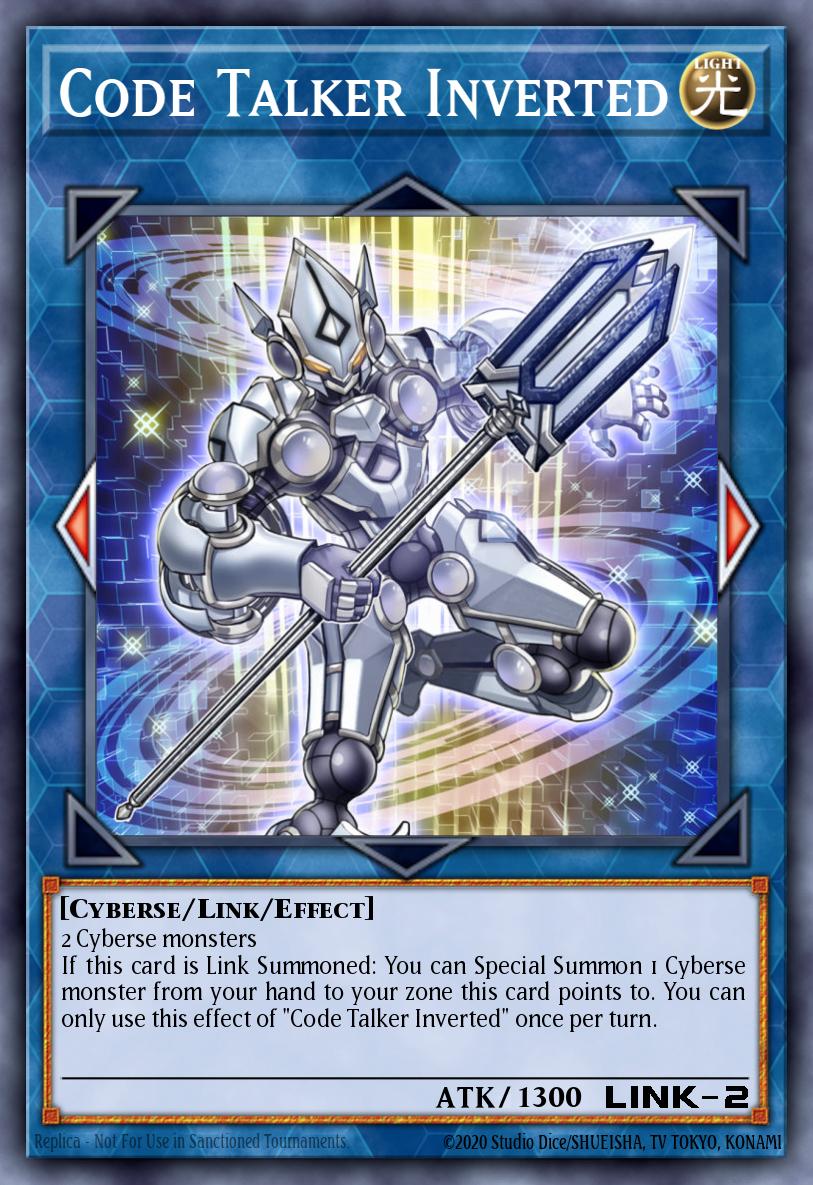
S-Force Justify and Code Talker Inverted (x1)


Code Talker Inverted has the ability to Special Summon one monster from its hand to the field, targeting only the spot it occupies. Inverted creates an excellent extender chain to optimize the resource gain from Cynet Codec.
Finally, the appearance of S-Force Justify in the second scenario is a unique counterplay. Typically brought out through the effect of Heatsoul, this boss serves as a direct cleanup machine. When forced into a difficult situation by opponents, Justify immediately appears on the field to neutralize enemy monsters, perfectly addressing Code Talker's pure lack of weakness.
Combo / How to Play
Combo 1: 1-card combo
Conditions: 1 Firewall Defender (or 1 starter card to use Defender Skill) + 1 extra card in hand.
1. Activate Skill: Flip Cynet Codec (or Cyberse monster), cook 1 extra card to add Cynet Mining and Trap Card Cynet Refreshing to hand. Activate Cynet Codec.
2. Summon Normal Firewall Defender.
3. Use Defender as material to Summon Link-1 Balelynx.
4. Activate Chain Block: Defender (Chain Link 1) and Balelynx (Chain Link 2). The effect of Defender directly pulls Firewall Phantom
duel-links
1471
5
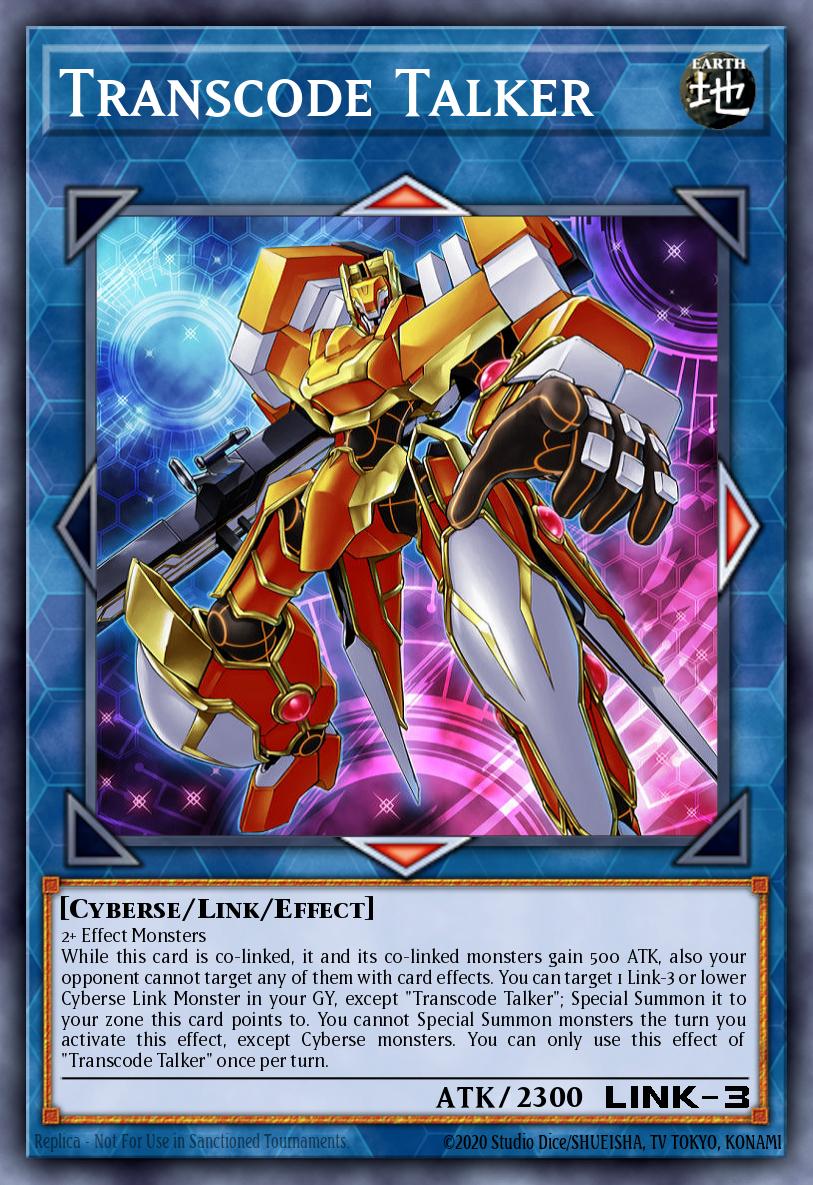
 EARTH
EARTHTranscode Talker
ATK:
2300
LINK-3
Link Arrow:
 Top
Top
 Right
Right
 Bottom
2+ Effect Monsters While this card is co-linked, it and its co-linked monsters gain 500 ATK, also your opponent cannot target any of them with card effects. You can target 1 Link-3 or lower Cyberse Link Monster in your GY, except "Transcode Talker"; Special Summon it to your zone this card points to. You cannot Special Summon monsters the turn you activate this effect, except Cyberse monsters. You can only use this effect of "Transcode Talker" once per turn.
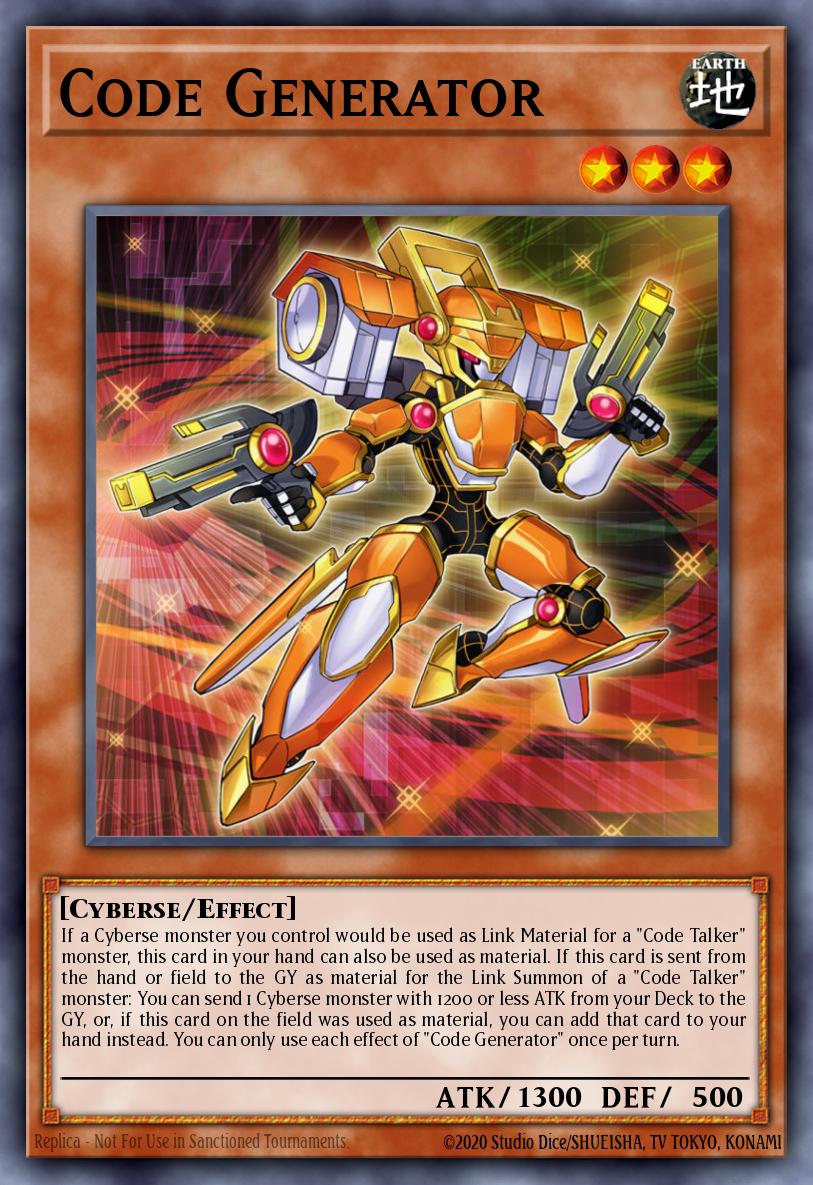 EARTH
EARTH 3
3Code Generator
ATK:
1300
DEF:
500
If a Cyberse monster you control would be used as Link Material for a "Code Talker" monster, this card in your hand can also be used as material. If this card is sent from the hand or field to the GY as material for the Link Summon of a "Code Talker" monster: You can send 1 Cyberse monster with 1200 or less ATK from your Deck to the GY, or, if this card on the field was used as material, you can add that card to your hand instead. You can only use each effect of "Code Generator" once per turn.

 LIGHT
LIGHTS-Force Justify
ATK:
2600
LINK-3
Link Arrow:
 Top-Left
Top
 Top-Right
3 Effect Monsters, including an "S-Force" monster You cannot Summon/Set monsters to a zone(s) this card points to. (Quick Effect): You can target 1 face-up Effect Monster your opponent controls; negate its effects until the end of this turn, then you can move that opponent's monster to their Monster Zone this card points to. You can only use this effect of "S-Force Justify" once per turn. At the start of the Damage Step, if this card attacks: You can banish all monsters this card points to.

 FIRE
7
FIRE
7Degrade Buster
ATK:
2500
DEF:
2500
Cannot be Normal Summoned/Set. Must first be Special Summoned (from your hand) by banishing 2 Cyberse monsters from your GY. You can target 1 monster your opponent controls with higher ATK than this card (Quick Effect); banish it until the End Phase. You can only use this effect of "Degrade Buster" once per turn.
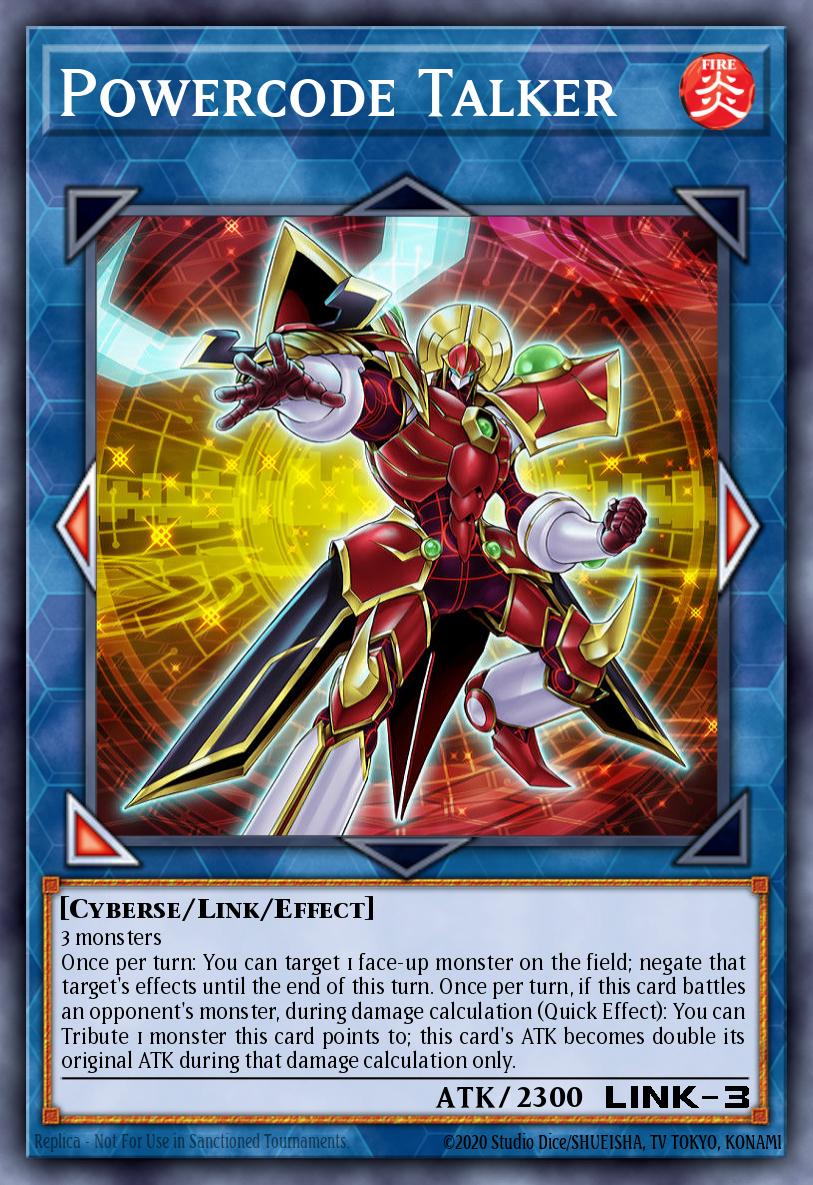 FIRE
FIREPowercode Talker
ATK:
2300
LINK-3
Link Arrow:
 Left
Left
Right
 Bottom-Left
3 monsters Once per turn: You can target 1 face-up monster on the field; negate that target's effects until the end of this turn. Once per turn, if this card battles an opponent's monster, during damage calculation (Quick Effect): You can Tribute 1 monster this card points to; this card's ATK becomes double its original ATK during that damage calculation only.
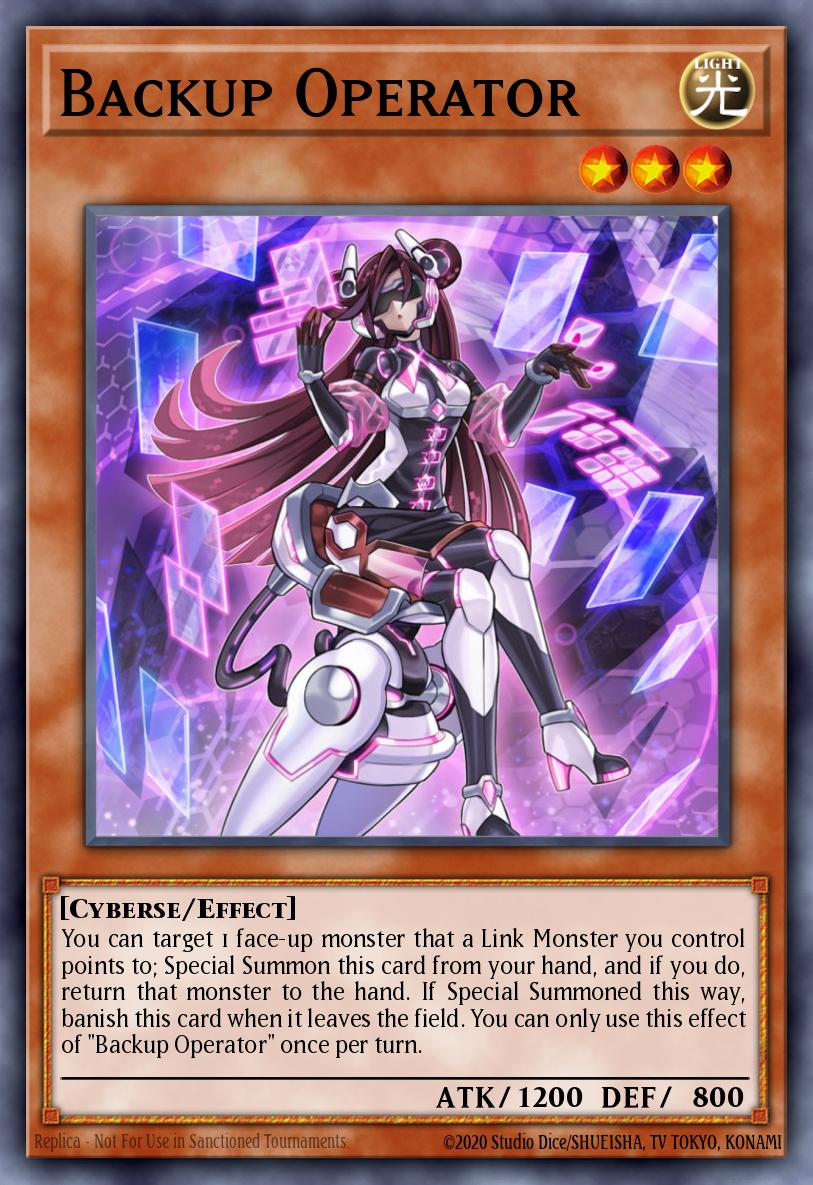 LIGHT
3
LIGHT
3Backup Operator
ATK:
1200
DEF:
800
You can target 1 face-up monster that a Link Monster you control points to; Special Summon this card from your hand, and if you do, return that monster to the hand. If Special Summoned this way, banish this card when it leaves the field. You can only use this effect of "Backup Operator" once per turn.
 Spell
Spell Normal
Cynet Mining
Send 1 card from your hand to the GY; add 1 Level 4 or lower Cyberse monster from your Deck to your hand. You can only activate 1 "Cynet Mining" per turn.
 LIGHT
4
LIGHT
4Lady Debug
ATK:
1700
DEF:
1400
If this card is Normal or Special Summoned: You can add 1 Level 3 or lower Cyberse monster from your Deck to your hand. You can only use this effect of "Lady Debug" once per turn.
 FIRE
FIREDecode Talker Heatsoul
ATK:
2300
LINK-3
Link Arrow:
Top
Bottom-Left
 Bottom-Right
2+ Cyberse monsters with different Attributes Gains 500 ATK for each monster it points to. (Quick Effect): You can pay 1000 LP; draw 1 card, then if your LP are 2000 or less, you can banish this card from the field, and if you do, Special Summon 1 Link-3 or lower Cyberse monster from your Extra Deck, except "Decode Talker Heatsoul". You can only use this effect of "Decode Talker Heatsoul" once per turn.
 Spell
Spell Continuous
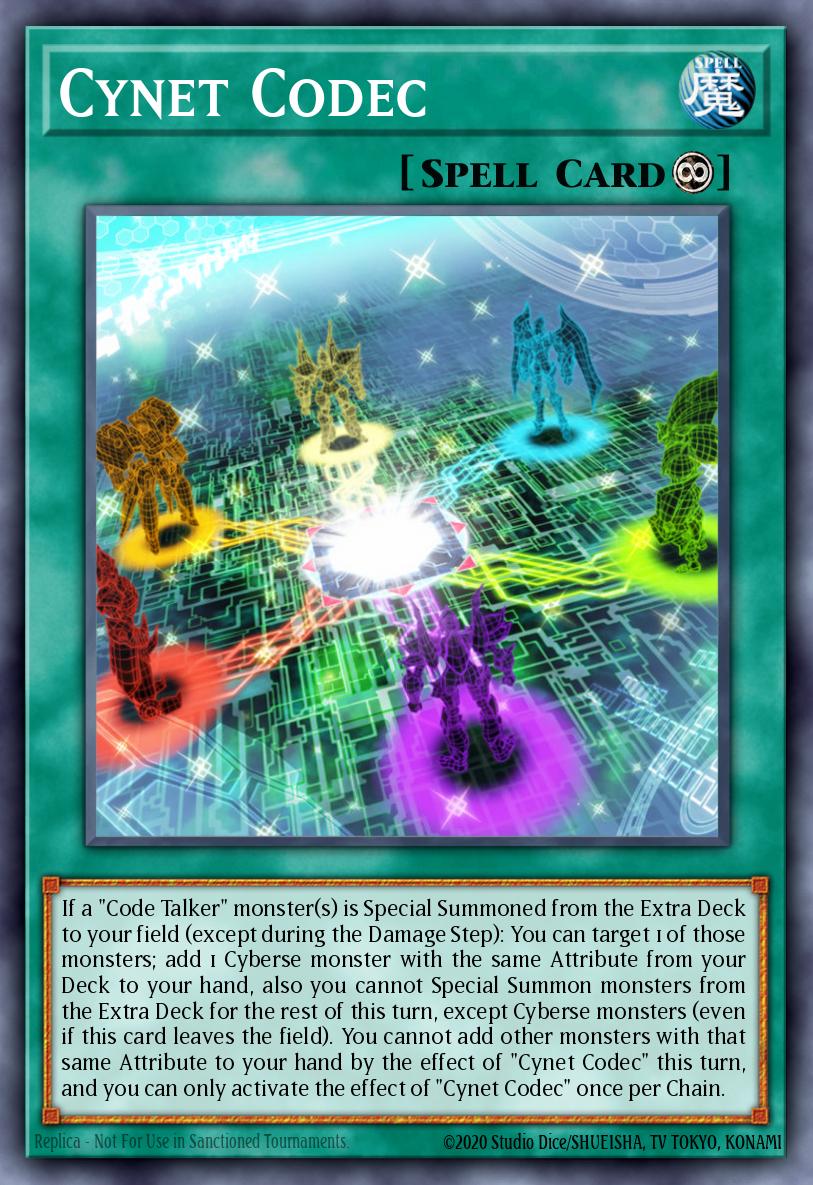
Cynet Codec
If a "Code Talker" monster(s) is Special Summoned from the Extra Deck to your field (except during the Damage Step): You can target 1 of those monsters; add 1 Cyberse monster with the same Attribute from your Deck to your hand, also you cannot Special Summon monsters from the Extra Deck for the rest of this turn, except Cyberse monsters (even if this card leaves the field). You cannot add other monsters with that same Attribute to your hand by the effect of "Cynet Codec" this turn, and you can only activate the effect of "Cynet Codec" once per Chain.

 DARK
4
DARK
4Firewall Guardian
ATK:
100
DEF:
2000
If this card is sent to the GY as material for the Link Summon of a Cyberse monster: You can Special Summon this card, but banish it when it leaves the field. When an attack is declared involving your Link Monster and an opponent's Link Monster: You can banish this card from your GY; negate that attack, and if you do, until the end of this turn, the original ATK of that opponent's monster becomes 0, also it is unaffected by other card effects, except its own. You can only use each effect of "Firewall Guardian" once per turn.
 LIGHT
LIGHTCode Talker Inverted
ATK:
1300
LINK-2
Link Arrow:
Left
Right
2 Cyberse monsters If this card is Link Summoned: You can Special Summon 1 Cyberse monster from your hand to your zone this card points to. You can only use this effect of "Code Talker Inverted" once per turn.
 LIGHT
LIGHTFirewall Dragon
ATK:
2500
LINK-4
Link Arrow:
Top
Left
Right
Bottom
2+ monsters Once while face-up on the field (Quick Effect): You can target monsters on the field and/or GY up to the number of monsters co-linked to this card; return them to the hand. If a monster this card points to is destroyed by battle or sent to the GY: You can Special Summon 1 Cyberse monster from your hand. You can only use each effect of "Firewall Dragon" once per turn.
 WATER
WATERShootingcode Talker
ATK:
2300
LINK-3
Link Arrow:
Top
Left
Bottom
2+ Cyberse monsters At the start of your Battle Phase: You can activate this effect; this Battle Phase, this card can make attacks on your opponent's monsters, up to the number of monsters this card currently points to +1, but this turn, when it attacks your opponent's only monster, this card loses 400 ATK during that damage calculation only. At the end of each Battle Phase: You can draw cards equal to the number of monsters this card destroyed by battle this turn.
 Trap
Trap Counter
Cynet Conflict
When a Spell/Trap Card, or monster effect, is activated while you control a "Code Talker" monster: Negate the activation, and if you do, banish that card, and if you do, your opponent cannot activate cards, or effects of cards, with the same original name as that card that was banished, until the end of the next turn. You can only activate 1 "Cynet Conflict" per turn.
 WATER
WATERSplash Mage
ATK:
1100
LINK-2
Link Arrow:
Top-Right
Bottom-Right
2 Cyberse monsters You can target 1 Cyberse monster in your GY; Special Summon it in Defense Position, but negate its effects, also you cannot Special Summon monsters for the rest of this turn, except Cyberse monsters. You can only use this effect of "Splash Mage" once per turn.

 LIGHT
LIGHTLink Disciple
ATK:
500
LINK-1
Link Arrow:
Bottom
1 Level 4 or lower Cyberse monster You can Tribute 1 monster this card points to; draw 1 card, then place 1 card from your hand on the bottom of the Deck. You can only use this effect of "Link Disciple" once per turn.
 DARK
4
DARK
4Firewall Defenser
ATK:
1200
DEF:
1500
If this card is sent to the GY as material for the Link Summon of a Cyberse monster: You can Special Summon 1 "Firewall" monster from your Deck, except "Firewall Defenser". You cannot Special Summon monsters the turn you activate this effect, except Cyberse monsters. If a "Firewall" monster(s) you control would be destroyed by card effect, you can banish this card from your GY instead. You can only use each effect of "Firewall Defenser" once per turn.
Cynet Extended (Skill Card)
ATK:
0
DEF:
0
You can use each of this Skill's second and third effects once per Duel if your Extra Deck contains 5 or more "Code Talker" monsters with different names. 1: Link Monsters on your field gain 500 ATK, and you cannot Special Summon from the Extra Deck, except Cyberse Link Monsters. 2: Can be activated by revealing 1 Level 3 or lower Cyberse monster or 1 "Cynet Codec" in your hand, and shuffling 1 card from your hand to the Deck. Add up to 2 cards from your Deck to your hand, choosing from "Cyberse Gadget" and "Cynet" Spell/Trap Cards. 3: Can be activated if you control "Decode Talker", or if your opponent controls a monster. Play 1 "Code Talker" monster from your Extra Deck, and add 1 "Cynet Crosswipe" from outside your Deck to your hand.
 Trap
Normal
Trap
NormalCynet Refresh
When an opponent's Cyberse monster declares an attack: Destroy all monsters in the Main Monster Zones. During the End Phase of this turn, Special Summon from the GY as many Cyberse Link Monsters as possible, to their owner's fields, that were destroyed by this effect. When an opponent's monster activates its effect: You can banish this card from your GY; Cyberse Link Monsters you currently control are unaffected by card effects, except their own, until the end of this turn.
 EARTH
2
EARTH
2Swap Cleric
ATK:
500
DEF:
1000
If this card is sent to the GY as Link Material: You can have that Link Monster lose 500 ATK, then draw 1 card. You can only use this effect of "Swap Cleric" once per turn.
 Spell
Spell Quick
QuickCynet Crosswipe
Tribute 1 Cyberse monster, then target 1 card on the field; destroy it.
 DARK
5
DARK
5Firewall Phantom
ATK:
2000
DEF:
1300
If this card is sent to the GY as material for the Link Summon of a Cyberse monster: You can add 1 "Cynet" Spell/Trap from your Deck to your hand, then discard 1 card. You can banish this card from your GY; during the End Phase of this turn, shuffle 1 Cyberse monster from your GY into the Deck. You can only use each effect of "Firewall Phantom" once per turn.
 EARTH
1
EARTH
1Dotscaper
ATK:
0
DEF:
2100
If this card is sent to the GY: You can Special Summon this card. If this card is banished: You can Special Summon this card. You can only use 1 "Dotscaper" effect per turn, and only once that turn. You can only use each effect of "Dotscaper" once per Duel.
 DARK
1
DARK
1Micro Coder
ATK:
300
DEF:
0
If a Cyberse monster you control would be used as Link Material for a "Code Talker" monster, this card in your hand can also be used as material. If this card is sent from the hand or field to the GY as material for the Link Summon of a "Code Talker" monster: You can either add 1 "Cynet" Spell/Trap from your Deck to your hand, or, if this card on the field was used as material, you can add 1 Level 4 Cyberse monster instead. You can only use each effect of "Micro Coder" once per turn.
 Trap
Normal
Trap
NormalCynet Circuit
Target 1 "Firewall" Link Monster you control; Special Summon any number of monsters from your GY to either player's zones linked to that monster. If your LP are 2000 or less: You can banish this card from your GY; return 1 "Firewall" Link Monster from your GY to your Extra Deck, then you can Special Summon that monster from your Extra Deck. You can only use each effect of "Cynet Circuit" once per turn.
 Spell
Continuous
Spell
ContinuousCynet Optimization
If your "Code Talker" monster battles, your opponent cannot activate cards or effects until the end of the Damage Step. During your Main Phase, you can: Immediately after this effect resolves, Normal Summon 1 Cyberse monster, also you cannot Special Summon monsters from the Extra Deck for the rest of this turn, except Cyberse monsters (even if this card leaves the field). You can only use this effect of "Cynet Optimization" once per turn.
 LIGHT
4
LIGHT
4Cyberse Gadget
ATK:
1400
DEF:
300
When this card is Normal Summoned: You can target 1 Level 2 or lower monster in your GY; Special Summon it in Defense Position, but its effects are negated. If this card is sent from the field to the GY: You can Special Summon 1 "Gadget Token" (Cyberse/LIGHT/Level 2/ATK 0/DEF 0). You can only use this effect of "Cyberse Gadget" once per turn.
 LIGHT
2
LIGHT
2Cyberse Converter
ATK:
1000
DEF:
1000
If all monsters you control are Cyberse monsters (min. 1), you can Special Summon this card (from your hand). You can only Special Summon "Cyberse Converter" once per turn this way. When this card is Normal Summoned: You can target 1 face-up monster you control; it becomes a Cyberse monster until the end of this turn.
 DARK
2
DARK
2Armored Bitron
ATK:
500
DEF:
0
You can Tribute this card: Special Summon 1 Cyberse monster from your Deck, except "Armored Bitron", but negate its effects, also you cannot Special Summon for the rest of this turn, except Cyberse monsters. If a Link-3 or higher Link Monster you control is destroyed by battle or an opponent's card effect, while this card is in your GY: You can Special Summon this card, but banish it when it leaves the field. You can only use each effect of "Armored Bitron" once per turn.
 LIGHT
3
LIGHT
3Backup Secretary
ATK:
1200
DEF:
800
If you control a Cyberse monster, you can Special Summon this card (from your hand). You can only Special Summon "Backup Secretary" once per turn this way.
Menu
https://ygovietnam.com/