






Darklord is a card clan consisting of Fairy monsters, DARK type. The card clan has the gameplay of summoning Darklord or fairy monsters from the grave to use other effects of some Darklord monsters in the card clan. In addition, Darklord also plays with other spells and traps of this card clan and Darklord monsters can copy the effects of these spell and trap cards, this makes Darklord different from other fairy card clans. other.

Instructions for playing Darklord - Part 1
Sections covered in this guide:
Tactics overview
Darklord is a card clan consisting of Fairy monsters, DARK type. The deck is played around the grave with many effects that can interact with Darklord cards in the grave such as special summoning monsters from the grave, using monsters from the grave to summon sacrifices, or even stars. Copy the effects of spells and traps in the grave.
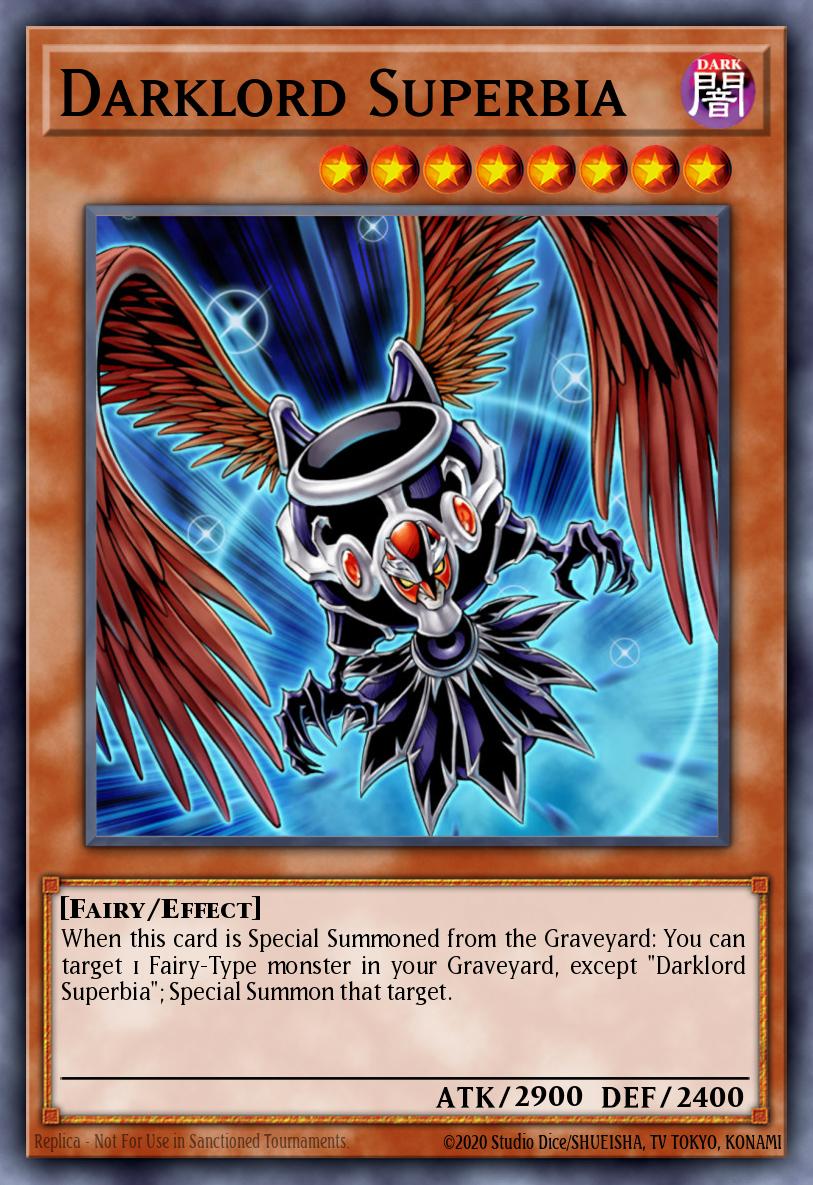
The card clan has a monster called Darklord Superbia that can summon fairy monsters from the grave, not just Darklord monsters. This allows Darklord to combine with other fairy monsters to increase the breakthrough of the deck. .
Overview of the Darklord deck


- Searcher can get almost every Darklord card from the deck.
- Darklord monsters on the field can copy spell and trap effects in the grave.
- Can be combined with several other fairy monsters through Darklord Superbia .
- Tribute summon using monsters from the grave.
Core deck
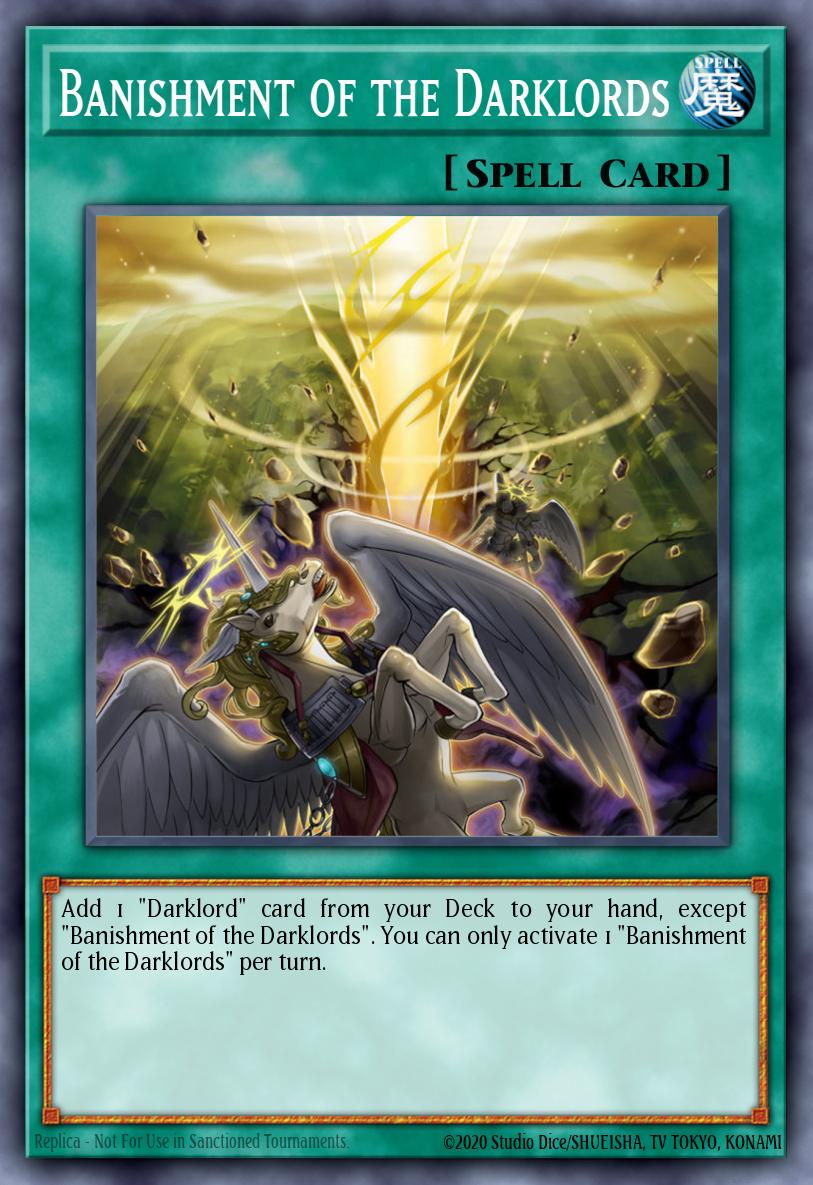
Banishment of the Darklords (Always play 3)
Cards with effects that help take cards from the deck are indispensable in today's decks. Banishment of the Darklords provides maximum support for the deck because it is a 1-for-1 spell card and can help you take any Darklord card from the deck (monsters, spells, traps).
Darklord Ukoback (Play 3)


Darklord Ukoback will send 1 Darklord card to the grave (monster, spell, trap) if normal or special summoned.
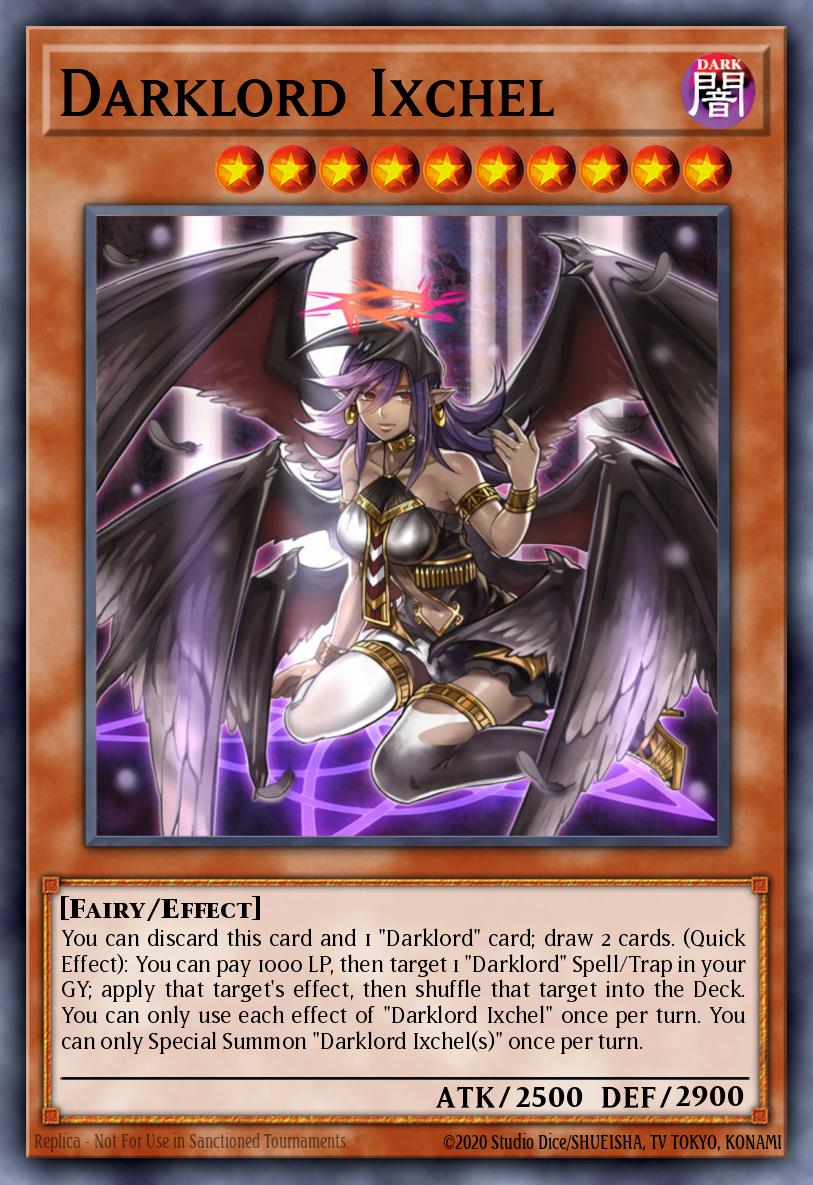
Darklord Ixchel (Play 3)
Darklord Ixchel can help you trade 2:2 when it can help you throw down the Darklord cards in your hand and can help you filter the cards in your hand.
Darklord Nasten (Play 1 or 2)
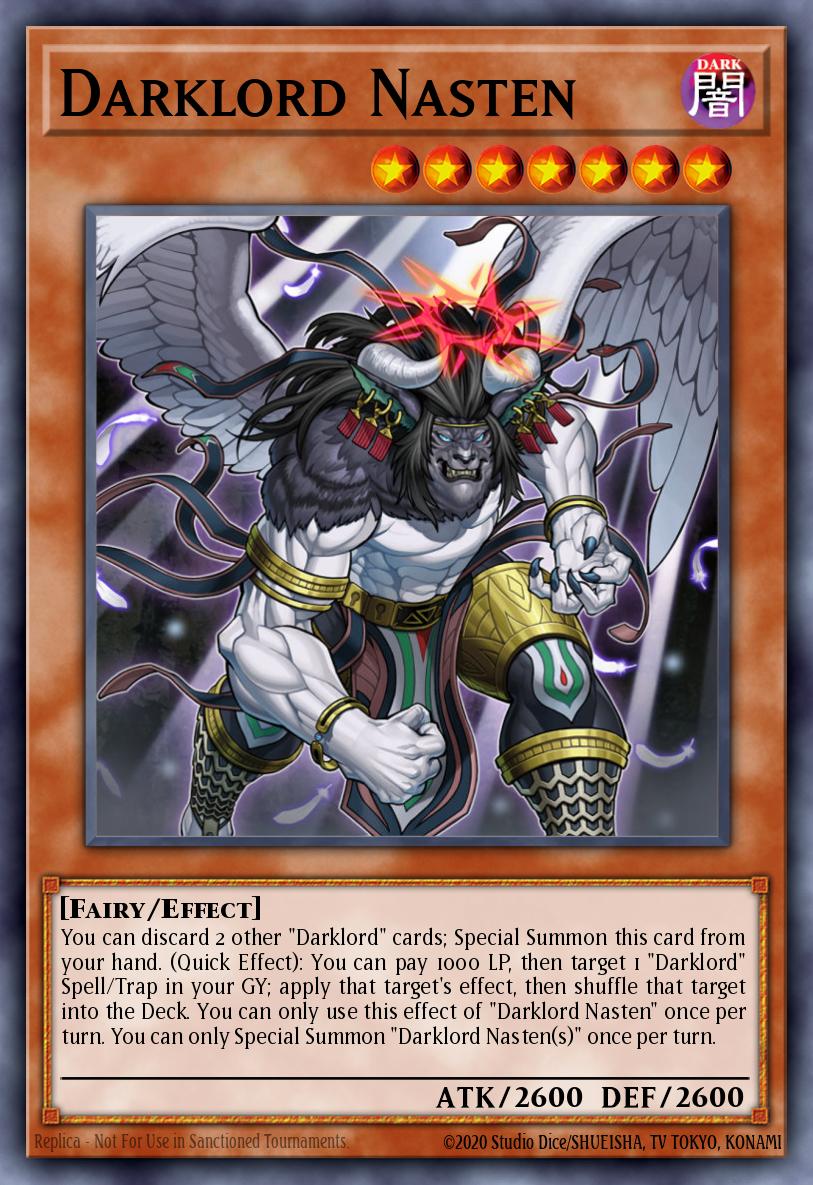
Darklord Nesten can special summon himself from his hand by discarding 2 other Darklord cards from his hand. This means you will discard 3 Darklord cards (including Darklord Nesten ) in your hand in exchange for 1 Darklord Nesten on the field.
Darklord Tezcatlipoca (Play 1)

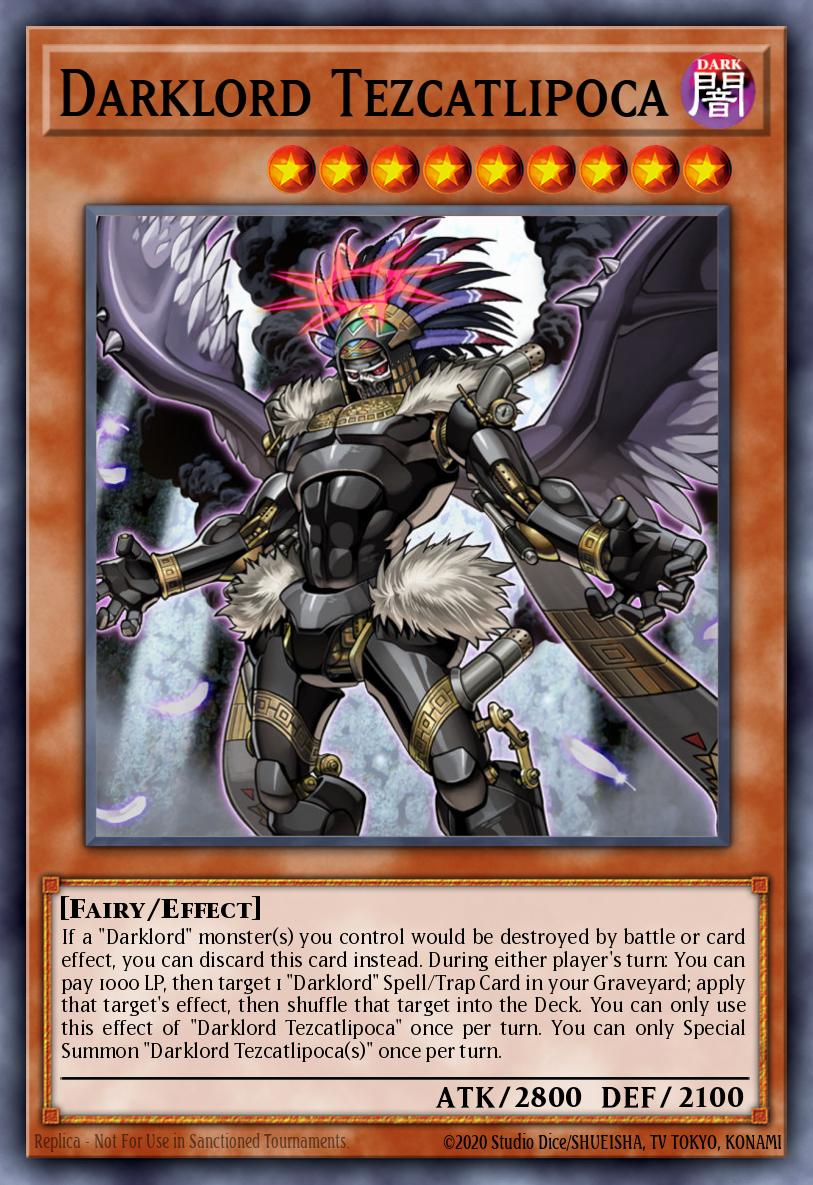
Darklord Tezcatlipoca can be removed from hand to replace 1 kill of Darklord monsters.
Darklord Amdusc (Play 1 or 0)
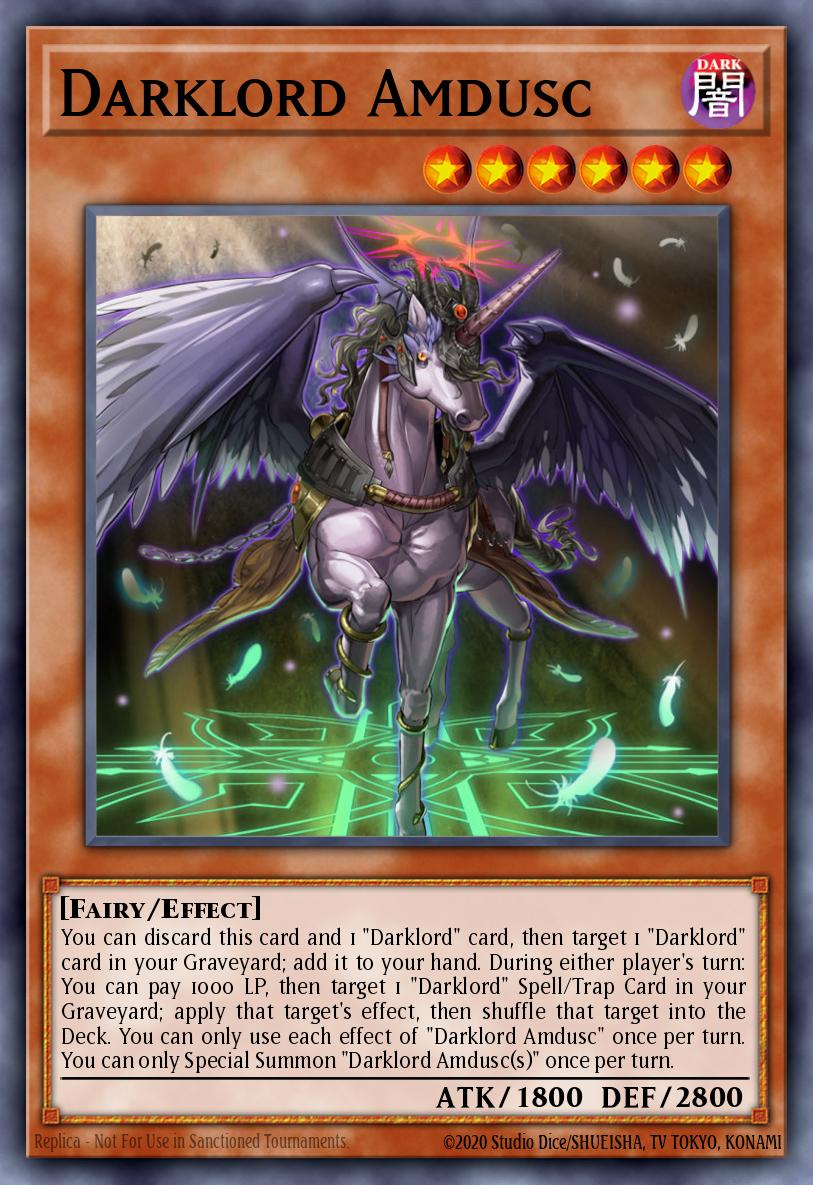
Darklord Amdusc allows you to regain 1 Darklord card from the grave (target) by discarding this monster along with another Darklord card.
Darklord Contact (Play 2 or 3)
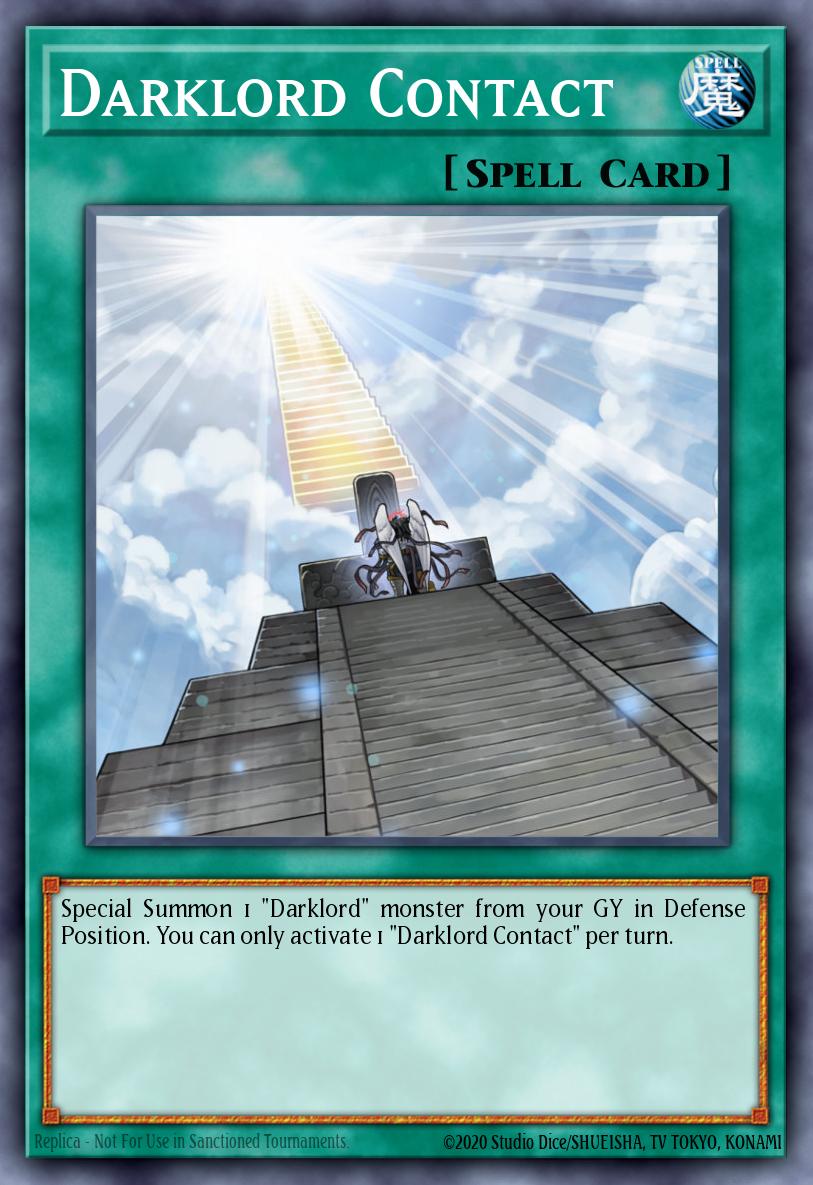
Darklord Contact will help you revive 1 Darklord monster from the grave (no target). This is a Darklord's own Monster Reborn and can be picked up from the deck thanks to Banishment of the Darklords .
Darklord Superbia (Play at least 1)
Darklord Superbia's effect can only be activated when this card is special summoned from the Graveyard. You can re-summon 1 fairy monster from the Graveyard (target). With the ability to summon any fairy monster from Darklord's grave, Superbia can make Darklord easily coordinate with other fairy card races.
Indulged Darklord (Play 3)
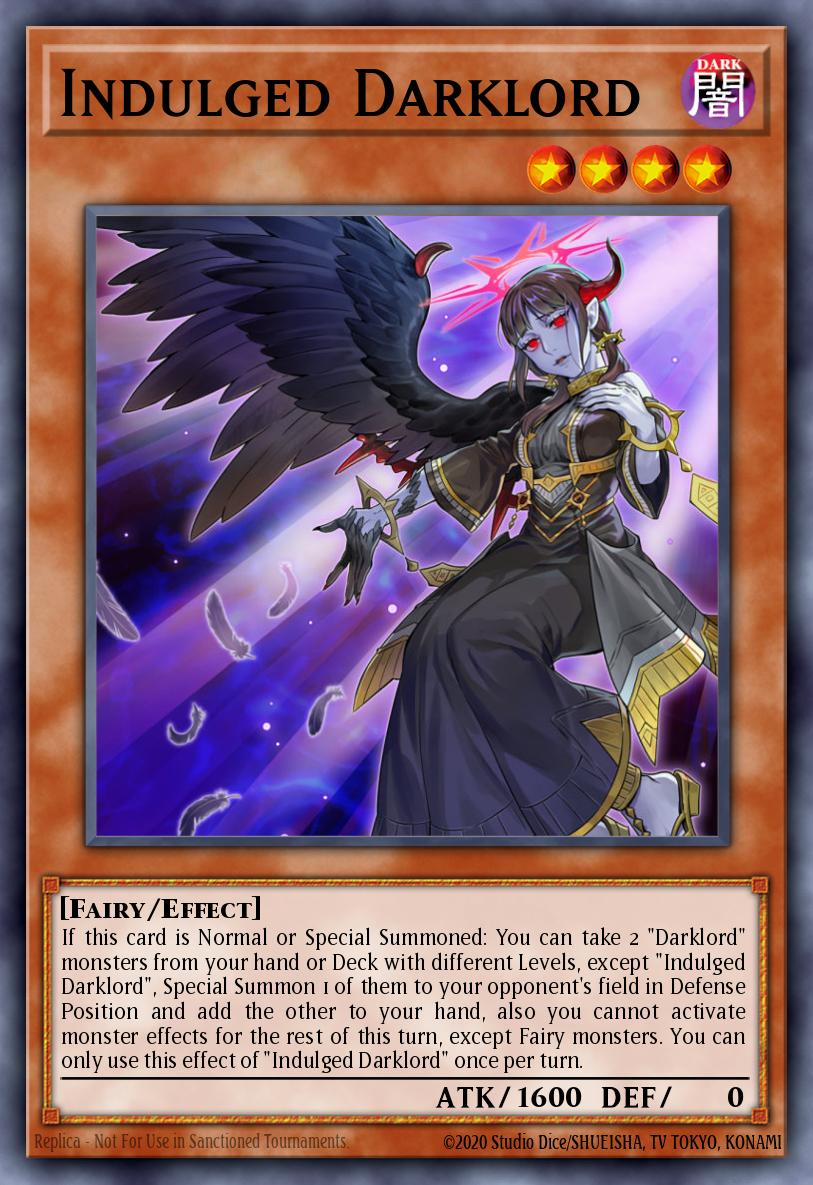
In addition to Darklord Ukoback , which is a monster that is normally summoned during the turn, you also have other targets, Indulged Darklord . Indulged Darklord, when normal or special summoned, will help you add 1 Darklord monster from your deck to your hand, but the method of this effect is a bit more cumbersome than just taking that monster to your hand:
- You need to choose 2 Darklord monsters.
- A monster must be chosen from the deck ( temporarily called the first monster ), this will be the monster you want to get into your hand.
- The remaining monster ( temporarily called the second monster ) can be chosen from the deck or in your hand and this monster needs to meet the condition of being able to be special summoned immediately afterwards.
- Summon the second selected monster to your opponent's side of the field. Get the first monster into your hand.
When you successfully activate this effect, you can only activate the effects of fairy monsters until the end of that turn.
How to play
Darklord has a relatively complicated playing style for some people when first playing this deck. To be able to play Darklord well, you need to be efficient in your moves.
Identify which Darklord cards need to be sent to the grave
With a playing style that is to take advantage of the resources in the grave, the first thing to do is to fill up your grave with resources.
Darklord Ukoback can send any Darklord card from the deck to the grave when normal or special summoned. This is a level 3 monster so you can use your normal summon during your turn on this monster.
Darklord Ixchel is a monster that helps you filter the cards in your hand, sending the necessary Darklord cards to the grave as well as giving you the ability to pull other staple cards.
Darklord Ukoback and Darklord Ixchel are two extremely necessary monsters in the early stages of the game to help you set up your field in the most perfect way. Banishment of the Darklord is a card that can access all Darklord cards in the deck, helping you increase your odds of getting these monsters early in the game.
Important targets need to be present in the grave
Darklord Contact can summon Darklord monsters from the grave. The monster that needs to be summoned from the grave in this strategy is Darklord Superbia .
Darklord Superbia 's effect can only be activated when this monster is special summoned from the grave. Darklord Superbia not only revives monsters in the Darklord card family but can also revive other fairy monsters. This ability helps Darklord to play other powerful fairy monsters in the deck to increase flexibility. for tactics.
Darklord's trap cards
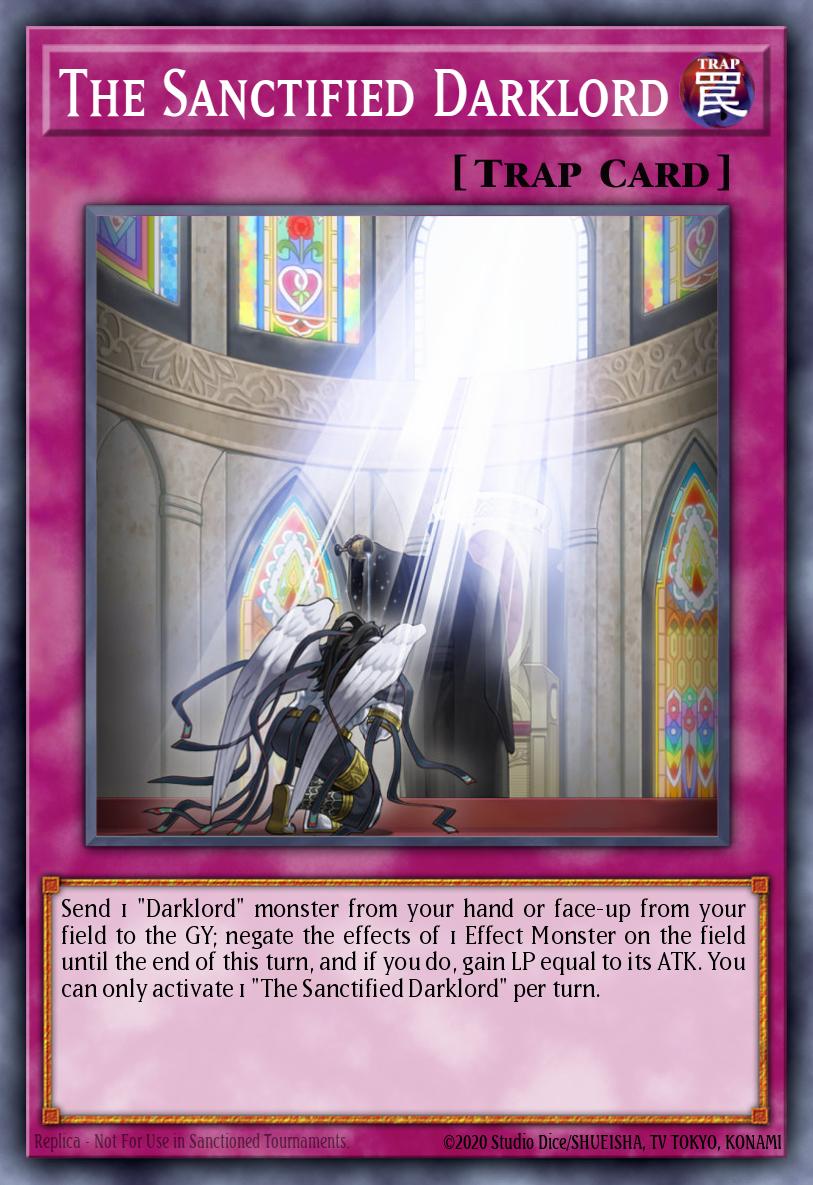
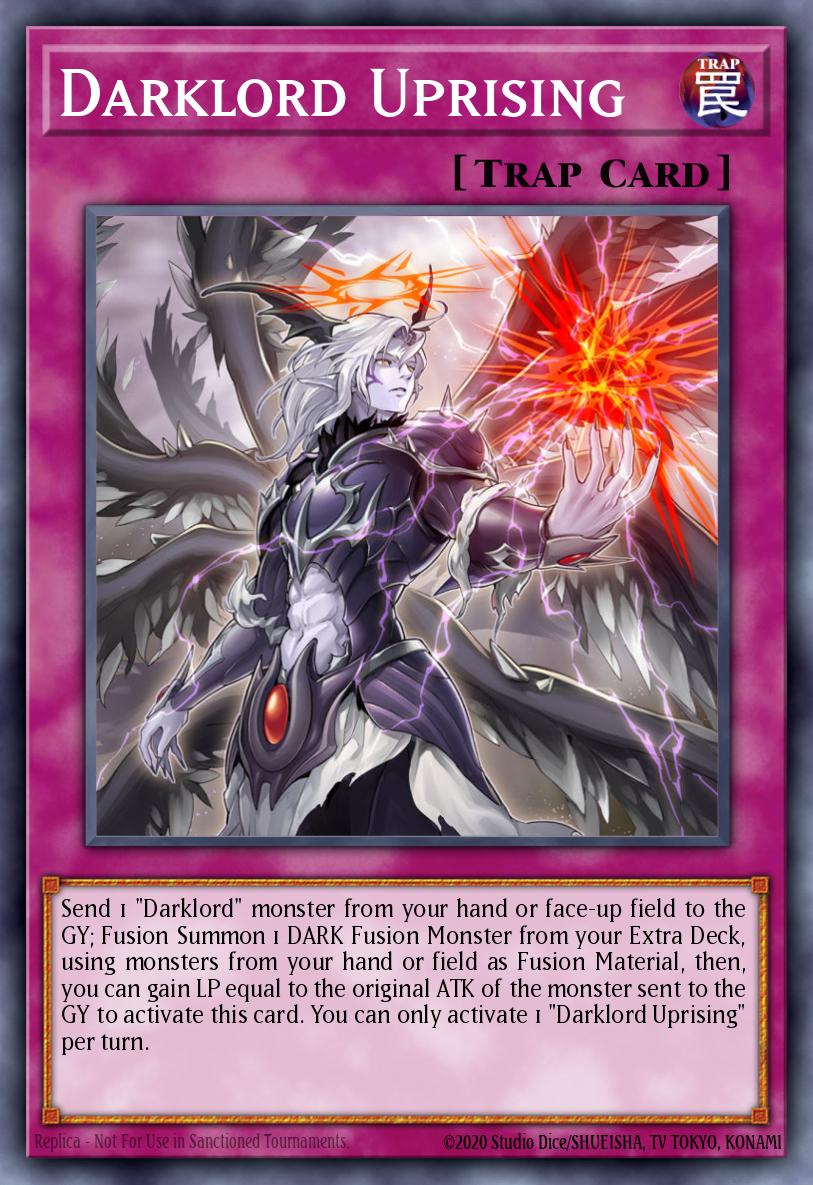
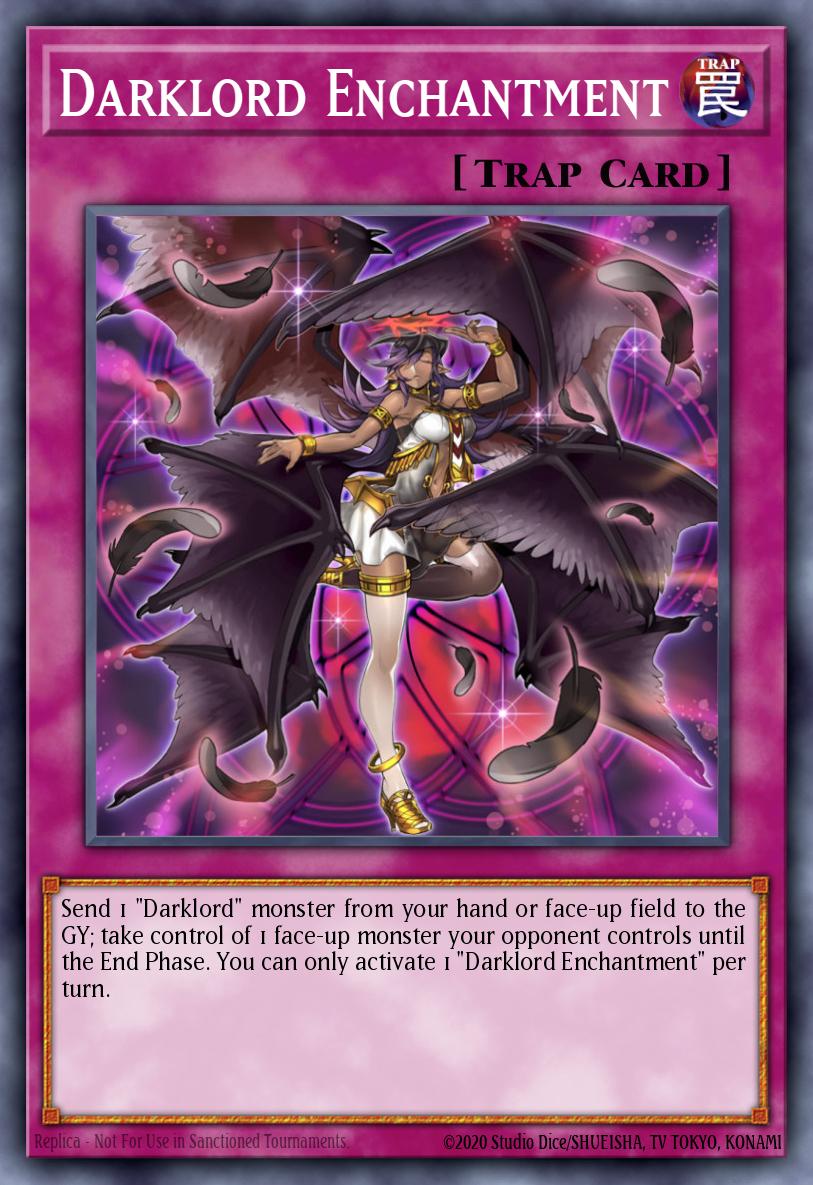
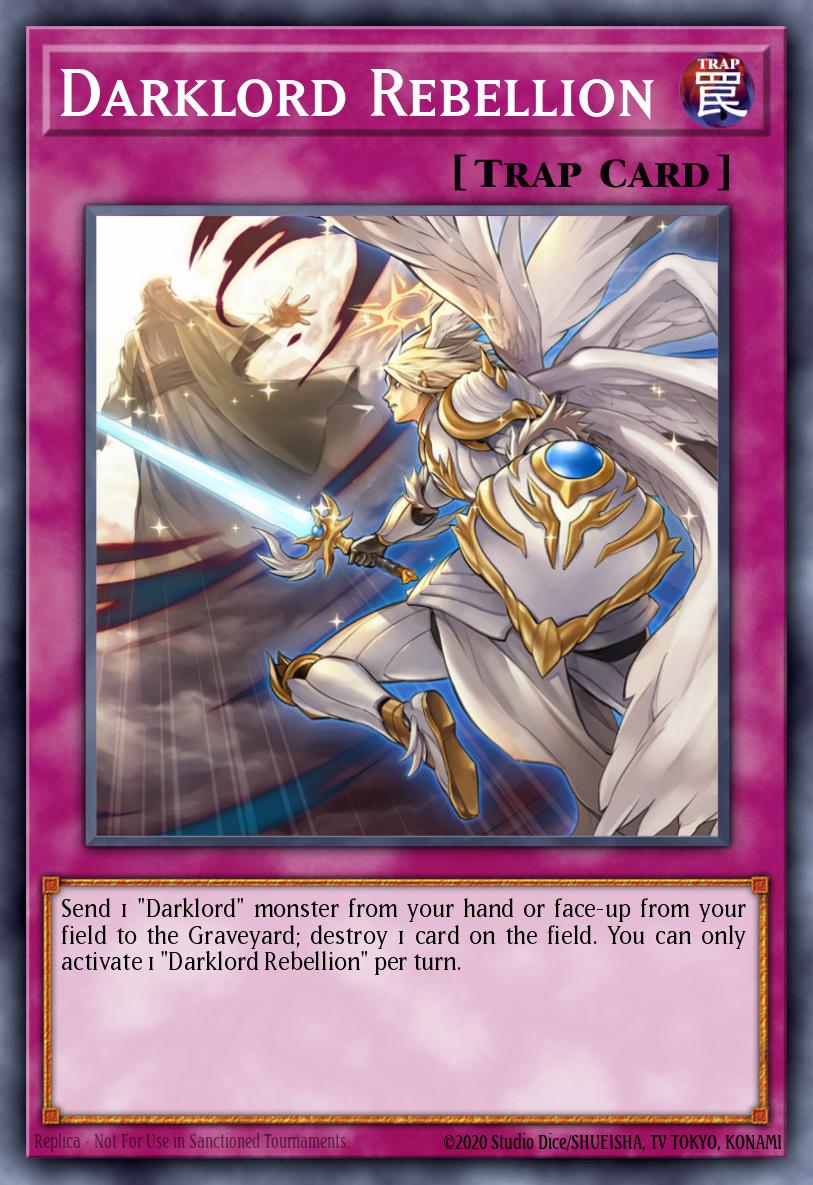
To avoid encountering brick hands, these trap cards should be played in the deck in quantities of 2 or less, and may not be played according to the meta.
Effects of some useful Darklord trap cards:
- The Sanctified Darklord allows you to negate the effects of 1 face-up monster on the field.
- Darklord Enchantment will take control of a face-up monster on your opponent's field until the end phase of this turn.
- Darklord Uprising is a card with fusion effects of the Darklord clan used to summon the main monster, The First Darklord .
- Darklord Rebellion helps you destroy 1 card
Darklord monsters can copy spell effects, trapping the Darklord in the grave
Darklord monsters such as Darklord Ixchel , Darklord Tezcatlipoca , Darklord Nasten , Darklord Amdusc have the same effect when on the field: During both player's turns, by paying 1000Lp, you can copy and apply the effect of a spell card, trap the Darklord in the graveyard (targeted first) then return that targeted card to the deck. You can take advantage of this effect and return Darklord trap cards to the deck to prevent your opponent's actions. These monsters are targets to summon Darklord Superbia in your combo.
Because you only copy the effects of the cards, you do not need to pay the cost of Darklord spells and traps in the grave. These trap cards only allow you to activate 1 card with the same name per turn. The effect of copying the effects of Darklord magic and trap cards in the grave will not be counted as activating those magic and trap cards. This means you can take advantage of the ability of a spell card to trap Darklord up to 2 times in 1 turn.
Banishment of the Darklords and Darklord Contact are normal spells that can be utilized by the effects of these monsters, and these effects can also be performed during your opponent's turn, negating the limitations of these monsters. normal spell.
Conclusion
Part 1 is over, remember to watch the next part to learn more ways to play this Darklord deck!!
master-duel
229
5
 DARK
DARK 8
8Darklord Superbia
ATK:
2900
DEF:
2400
When this card is Special Summoned from the Graveyard: You can target 1 Fairy-Type monster in your Graveyard, except "Darklord Superbia"; Special Summon that target.
DARK
7Darklord Nasten
ATK:
2600
DEF:
2600
You can discard 2 other "Darklord" cards; Special Summon this card from your hand. (Quick Effect): You can pay 1000 LP, then target 1 "Darklord" Spell/Trap in your GY; apply that target's effect, then shuffle that target into the Deck. You can only use this effect of "Darklord Nasten" once per turn. You can only Special Summon "Darklord Nasten(s)" once per turn.
 Trap
Trap Normal
The Sanctified Darklord
Send 1 "Darklord" monster from your hand or face-up from your field to the GY; negate the effects of 1 Effect Monster on the field until the end of this turn, and if you do, gain LP equal to its ATK. You can only activate 1 "The Sanctified Darklord" per turn.
 DARK
6
DARK
6Darklord Amdusc
ATK:
1800
DEF:
2800
You can discard this card and 1 "Darklord" card, then target 1 "Darklord" card in your Graveyard; add it to your hand. During either player's turn: You can pay 1000 LP, then target 1 "Darklord" Spell/Trap Card in your Graveyard; apply that target's effect, then shuffle that target into the Deck. You can only use each effect of "Darklord Amdusc" once per turn. You can only Special Summon "Darklord Amdusc(s)" once per turn.
 Spell
Normal
Spell
NormalDarklord Contact
Special Summon 1 "Darklord" monster from your GY in Defense Position. You can only activate 1 "Darklord Contact" per turn.
Trap
NormalDarklord Uprising
Send 1 "Darklord" monster from your hand or face-up field to the GY; Fusion Summon 1 DARK Fusion Monster from your Extra Deck, using monsters from your hand or field as Fusion Material, then, you can gain LP equal to the original ATK of the monster sent to the GY to activate this card. You can only activate 1 "Darklord Uprising" per turn.
DARK
10Darklord Ixchel
ATK:
2500
DEF:
2900
You can discard this card and 1 "Darklord" card; draw 2 cards. (Quick Effect): You can pay 1000 LP, then target 1 "Darklord" Spell/Trap in your GY; apply that target's effect, then shuffle that target into the Deck. You can only use each effect of "Darklord Ixchel" once per turn. You can only Special Summon "Darklord Ixchel(s)" once per turn.
 Trap
Normal
Trap
NormalDarklord Enchantment
Send 1 "Darklord" monster from your hand or face-up field to the GY; take control of 1 face-up monster your opponent controls until the End Phase. You can only activate 1 "Darklord Enchantment" per turn.
DARK
3Darklord Ukoback
ATK:
700
DEF:
1000
If this card is Normal or Special Summoned: You can send 1 "Darklord" card from your Deck to the Graveyard. You can only use this effect of "Darklord Ukoback" once per turn.
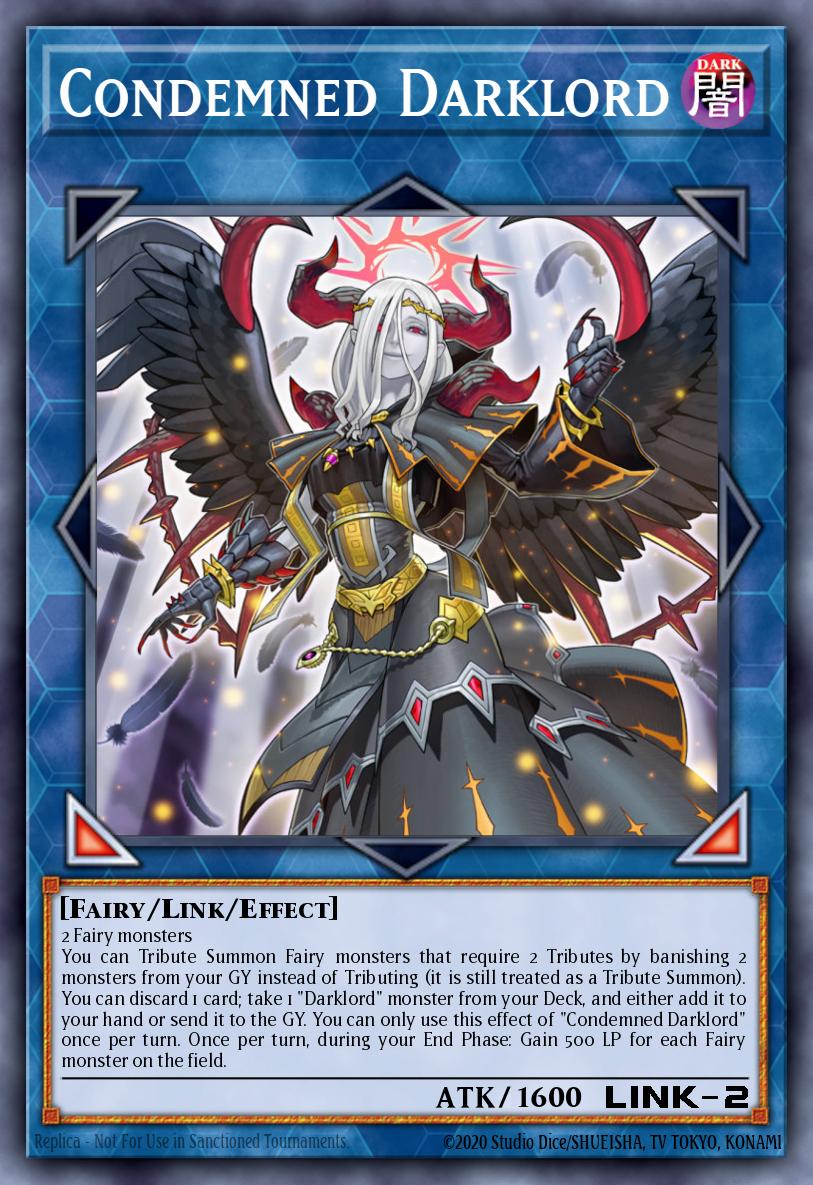
DARKCondemned Darklord
ATK:
1600
LINK-2
Link Arrow:
 Bottom-Left
 Bottom-Right
2 Fairy monsters You can Tribute Summon Fairy monsters that require 2 Tributes by banishing 2 monsters from your GY instead of Tributing (it is still treated as a Tribute Summon). You can discard 1 card; take 1 "Darklord" monster from your Deck, and either add it to your hand or send it to the GY. You can only use this effect of "Condemned Darklord" once per turn. Once per turn, during your End Phase: Gain 500 LP for each Fairy monster on the field.
DARK
4Indulged Darklord
ATK:
1600
DEF:
0
If this card is Normal or Special Summoned: You can take 2 "Darklord" monsters from your hand or Deck with different Levels, except "Indulged Darklord", Special Summon 1 of them to your opponent's field in Defense Position and add the other to your hand, also you cannot activate monster effects for the rest of this turn, except Fairy monsters. You can only use this effect of "Indulged Darklord" once per turn.
Trap
NormalDarklord Rebellion
Send 1 "Darklord" monster from your hand or face-up from your field to the Graveyard; destroy 1 card on the field. You can only activate 1 "Darklord Rebellion" per turn.
Spell
NormalBanishment of the Darklords
Add 1 "Darklord" card from your Deck to your hand, except "Banishment of the Darklords". You can only activate 1 "Banishment of the Darklords" per turn.
DARK
9Darklord Tezcatlipoca
ATK:
2800
DEF:
2100
If a "Darklord" monster(s) you control would be destroyed by battle or card effect, you can discard this card instead. During either player's turn: You can pay 1000 LP, then target 1 "Darklord" Spell/Trap Card in your Graveyard; apply that target's effect, then shuffle that target into the Deck. You can only use this effect of "Darklord Tezcatlipoca" once per turn. You can only Special Summon "Darklord Tezcatlipoca(s)" once per turn.
Menu
https://ygovietnam.com/